
Last updated September 23, 2026
Seasonal Insulation Care for Pasadena: Year-Round Homeowner’s Guide
The Santa Ana winds that drop Pasadena’s humidity to 5 percent in November also drive fine particulate into attic assemblies through every unsealed penetration. That debris loads cellulose insulation, reduces R-value, and accelerates pest activity before the following spring. Most national insulation guides divide the year into four neat quarters, but Pasadena doesn’t operate on that calendar. The real performance windows are Santa Ana season (October through January), June gloom (May through June), and peak cooling load (July through September). Each creates a distinct failure mode that a homeowner can anticipate and address in advance. This guide replaces the generic seasonal checklist with tasks timed to Pasadena’s actual climate calendar, and you can find The Complete Guide to Insulation in Pasadena for deeper background on each strategy.
Quick Answer
Seasonal insulation care in Pasadena means three distinct maintenance windows: pre-Santa Ana inspection of soffit vent screens and attic hatch seals in September; condensation monitoring during June gloom’s marine-layer mornings in May through June; and a duct-leakage assessment before peak cooling load in June. Homeowners who time these checks to Pasadena’s actual climate patterns catch envelope failures before they become energy bills or moisture damage, and our Attic Insulation Maintenance Checklist for Pasadena Homeowners breaks down each task step by step.
Table of Contents
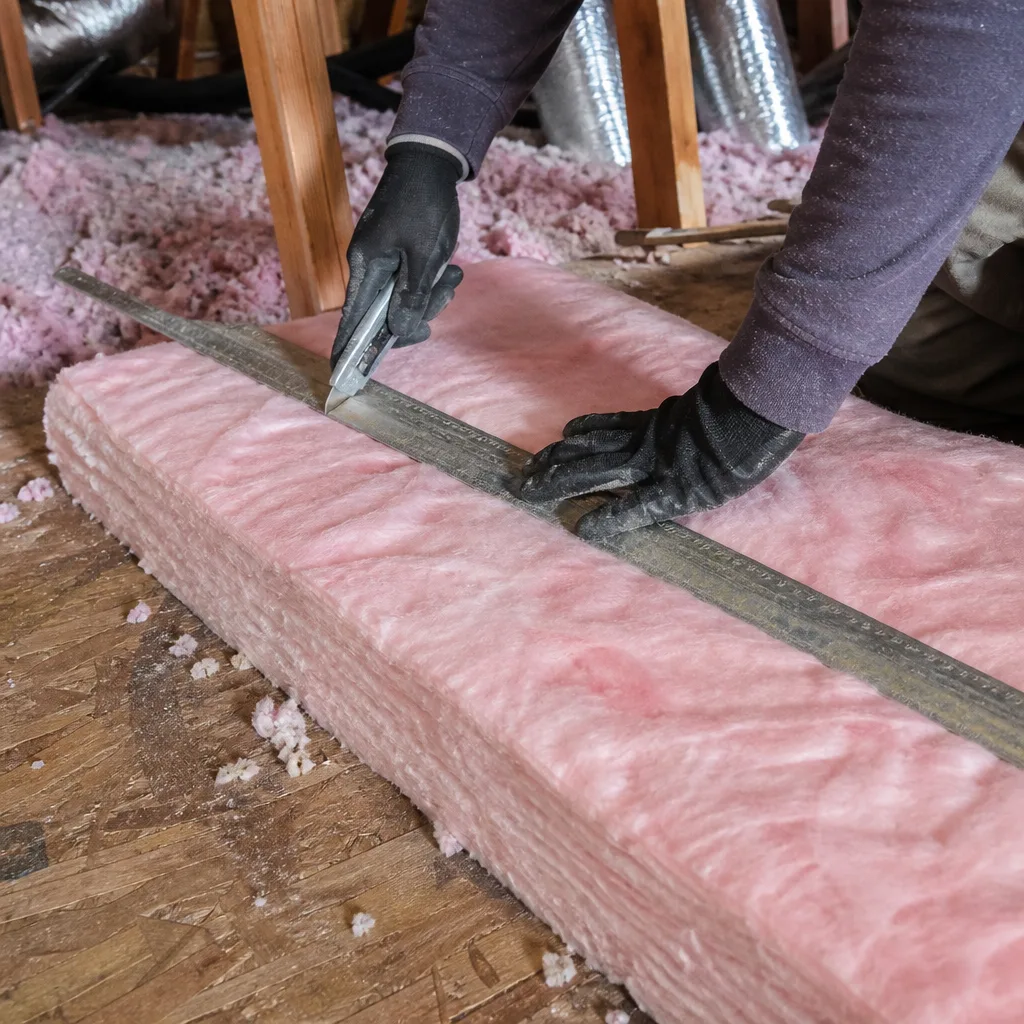
- Pre-Santa Ana Season: September Preparation for Foothill Debris Loads
- June Gloom Period: Condensation Risk at the Ceiling Plane
- Peak Cooling Load Prep: The Duct Leakage Check
- Post-Rain Inspection: Reading Attic Sheathing for Moisture Patterns
- Annual Blower-Door Benchmark: Tracking CFM50 Over Time
- How Pasadena’s Climate Affects Insulation Material Choice
- Common Mistakes to Avoid
- When to Call a Professional
- Frequently Asked Questions
Pre-Santa Ana Season: September Preparation for Foothill Debris Loads
Pasadena sits at the foot of the San Gabriel Mountains, and that geography matters for attic maintenance. The Santa Ana winds that arrive in October and peak in November and December carry fine particulate from the foothills and the Angeles National Forest. That material enters attic assemblies through soffit vents, gable vents, ridge vents without proper screening, and every unsealed penetration in the ceiling plane. Once inside, it settles on insulation, reducing its effective R-value and creating habitat conditions for rodents and insects that become active the following spring.
We’ve found that homes in neighborhoods like Linda Vista, Hastings Ranch, and the Chapman Woods area see heavier debris loads than properties closer to the 210 corridor. The elevation gradient matters. A home at 1,200 feet in northeast Pasadena will accumulate more particulate in a single Santa Ana event than a home near Old Town at 800 feet.
The September checklist is specific and mechanical:
- Inspect soffit vent screens. Remove each screen, check for corrosion or tearing, and verify mesh size is 1/4-inch or finer. Larger mesh stops squirrels but not the fine debris that loads insulation. In Pasadena’s dry climate, aluminum screens corrode more slowly than steel, but they fatigue and tear at the fasteners.
- Check attic hatch weatherstripping. The hatch is the largest unsealed penetration in most ceiling planes. Compression-set weatherstripping, common after two to three Pasadena summers, leaves a gap that acts as a debris intake during pressurized Santa Ana events. Replace with silicone bulb gasket rated for the temperature swing between attic and conditioned space.
- Verify ridge vent filter integrity. Many ridge vents use a non-woven filter material that degrades in UV. After three to five years in Pasadena’s high-sun environment, these filters crumble and allow unfiltered intake. Look for filter material that sheds fibers when touched; that’s replacement time.
- Photograph insulation surface condition. A clean surface in September becomes your baseline. Compare the same photograph in January. Visible darkening indicates debris loading that has already reduced thermal performance.
Air sealing precedes any of this work at our company. We won’t inspect or augment insulation over an unsealed attic floor. The top plates, can light housings, plumbing and electrical penetrations, and the chimney chase must be sealed first. Otherwise, debris enters through pathways no vent screen can protect. This is the sequence we follow on every attic insulation job in Pasadena: seal first, then insulate, in that order.
June Gloom Period: Condensation Risk at the Ceiling Plane
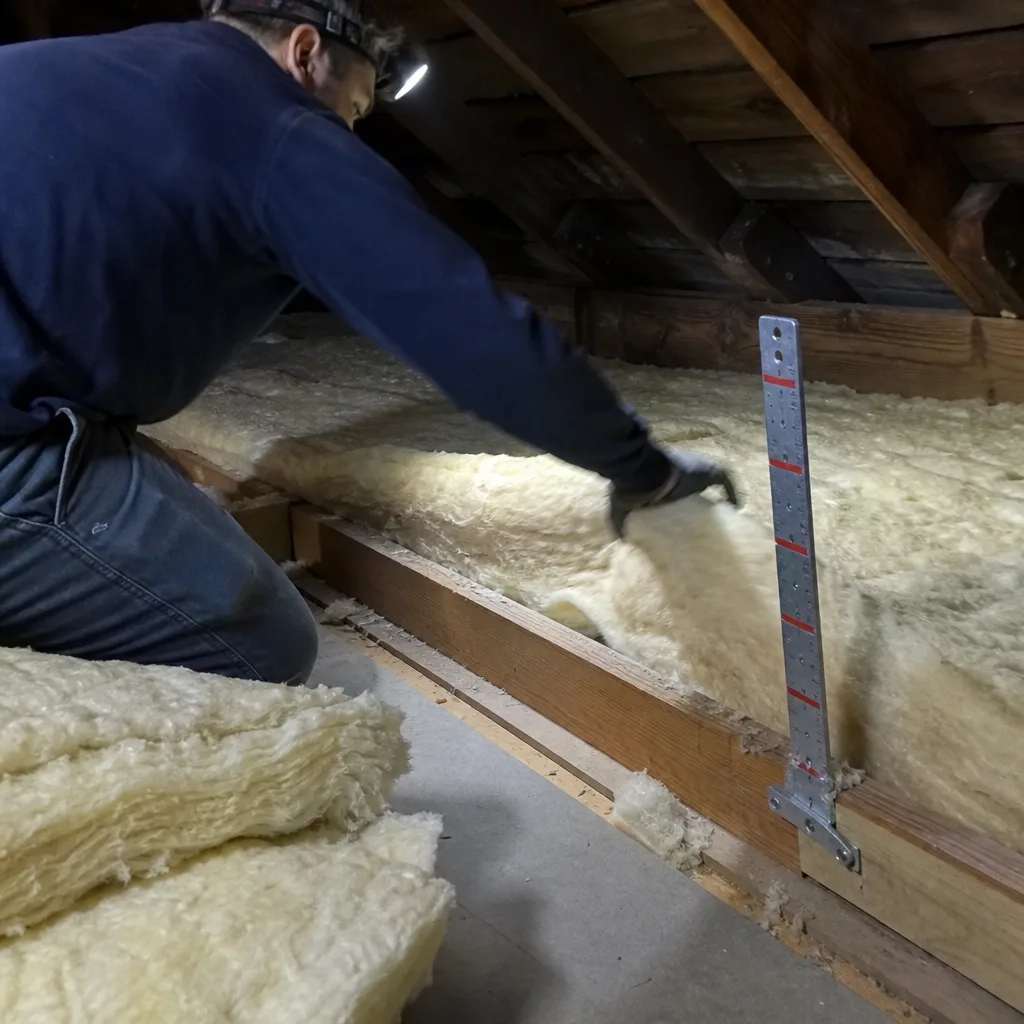
May and June in Pasadena bring marine-layer mornings that burn off by mid-morning. The pattern is consistent: overnight temperatures drop to 55 to 60 degrees, relative humidity spikes to 80 percent or higher, and the sky clears by 10 a.m. For attic assemblies, this creates a specific risk that national guides never mention.
In a vented attic, the roof deck temperature tracks close to ambient air temperature during these overcast mornings. If the attic ventilation is excessive or unbalanced, the deck can drop below the dew point of the air entering from outside. Moisture condenses on the underside of the sheathing. In July and August, that moisture evaporates in the dry heat. But in May and June, the cycle repeats daily. Over weeks, this can stain sheathing, degrade shingle underlayment, and in severe cases, initiate mold growth that becomes visible by August.
The diagnostic is simple but specific to this climate window. On a morning when marine layer is present, enter the attic within two hours of sunrise. Look for:
- Beading on nail shanks protruding through the roof deck - the coldest surface area, so the first to condense
- Darkening of plywood sheathing at the eaves, where ventilation air first enters and is coolest
- Dampness on the top surface of insulation near the eaves, where settled insulation blocks airflow and creates a cold pocket
The fix depends on attic type. In a vented attic, verify that soffit vents are not blocked by insulation and that baffles maintain a clear airway from soffit to ridge. In an unvented attic with spray foam insulation in Pasadena, the foam itself is the condensing surface. Closed-cell foam at adequate thickness prevents this; open-cell foam in a June-gloom climate requires a vapor-retarding coating or facing if the roof deck temperature drops below dew point regularly.
We’ve documented this condition in homes near the Arroyo Seco and in the Bungalow Heaven historic district, where original construction with minimal attic ventilation meets modern insulation additions. The homeowners’ first sign is often a musty smell in August, by which time the condensation season has passed and the mold is established. Catching it in May or June prevents the cycle.
Peak Cooling Load Prep: The Duct Leakage Check
July through September in Pasadena means sustained cooling load. The difference between a reasonable electric bill and a shocking one often isn’t the insulation R-value. It’s duct leakage.
Ducts in vented attics operate in the worst possible conditions: 140 to 160 degree attic air in August, pressure differentials between supply and return that actively pull that hot air into leaks, and leakage paths that are hidden under insulation. A duct system with 20 percent leakage - common in homes built before 2005 in Pasadena - can add 30 percent to cooling runtime even with perfect envelope insulation.
The June check, before peak load arrives, has two parts:
- Visual inspection of accessible ductwork. Look for disconnected flex duct at boots, collapsed sections where support straps have failed, and tape that has degraded in attic heat. Duct tape, despite the name, fails in attics; foil tape or mastic is the correct sealant. In Pasadena’s heat, old duct tape turns brittle and falls away.
- Register flow test. With the system running, hold a tissue at each supply register. Weak flow at distant registers indicates leakage or restriction. Compare rooms that were comfortable last September to rooms that weren’t. A change in relative performance usually means a new leak has developed.
The definitive test is a duct blaster - a pressurization test that measures total leakage in CFM25, or cubic feet per minute at 25 Pascals of pressure. For context, the California Energy Code allows 6 percent of fan flow or 40 CFM25, whichever is smaller, for new construction. We’ve tested Pasadena homes with 300 CFM25 of duct leakage, meaning nearly 20 percent of conditioned air never reaches the rooms.
Here’s the critical point: adding insulation to a home with significant duct leakage is spending money to solve the wrong problem. The insulation reduces conductive heat gain, but the duct leakage increases infiltration and drives equipment runtime. We always recommend a duct leakage assessment before recommending insulation augmentation. On homes where we perform both, we sequence duct sealing first, then verify with a second duct blaster test, then address insulation. The Topside Attic Insulation Pasadena home page details our full envelope approach.
For homeowners with aging HVAC, the June timing also allows comparison of this year’s runtime to last year’s, using smart thermostat data. A 15 percent increase in cooling hours with similar temperature setpoints indicates envelope or duct degradation that insulation alone won’t fix.
Post-Rain Inspection: Reading Attic Sheathing for Moisture Patterns
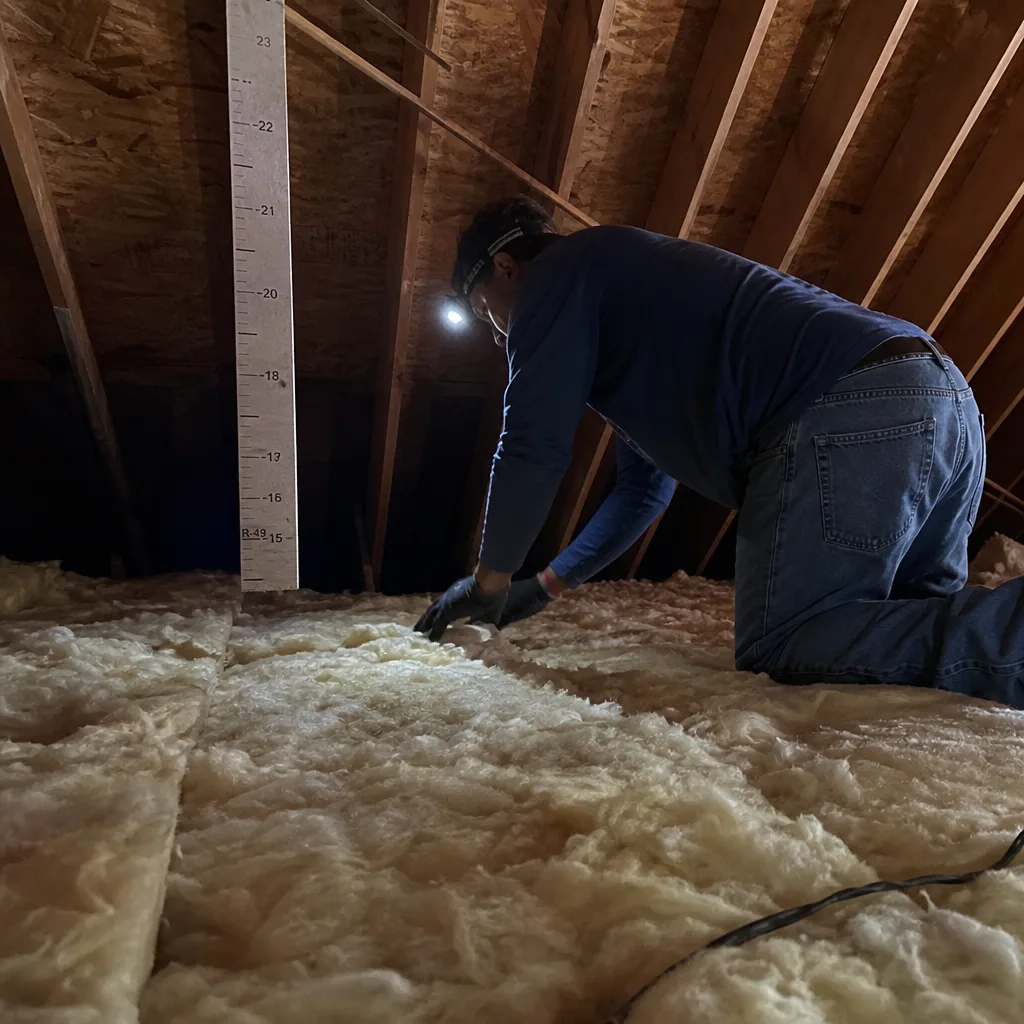
Pasadena’s rainy season is brief but intense: January and February storms, sometimes atmospheric rivers, deposit the majority of annual precipitation in a handful of events. The post-rain attic inspection in late February or early March reveals patterns that distinguish roof leaks from air-transported moisture - two problems that look similar but have different causes and cures.
Roof leaks follow predictable paths: the penetration pattern. Chimney chases, vent pipes, skylight curbs, and valley intersections show staining that radiates downward from the leak point. The stain is often dark, with defined edges, and may show a drip pattern on insulation below.
Air-transported moisture is different. It appears as diffuse, blotchy staining on broad sheathing areas, often near the ridge or at the intersection of roof planes where airflow concentrates. The mechanism: warm, moist interior air enters the attic through bypasses in the ceiling plane, rises to the cold sheathing in January, and condenses. The moisture doesn’t enter as liquid; it enters as vapor, then changes phase. The staining pattern is therefore less defined, more widespread, and often symmetric across the attic.
In Pasadena’s climate, air-transported moisture is more common than homeowners expect. The January storms create the coldest roof deck temperatures of the year. Interior relative humidity, elevated by winter heating and reduced ventilation, provides the vapor source. The combination produces condensation that mimics a leak.
The diagnostic questions:
- Does the staining appear only after rain, or was it present before? Air-transported moisture accumulates through the winter; roof leaks appear after specific events.
- Is the insulation below the stain wet or merely discolored? Roof leaks wet insulation; condensation typically doesn’t penetrate deeply.
- Are there corresponding stains on the ceiling below? Roof leaks almost always show on the ceiling eventually; air-transported moisture may not if the attic ventilation removes the moisture before it accumulates.
The cure for air-transported moisture is air sealing at the ceiling plane - the same top plates, can lights, and penetrations that we seal before adding insulation. The cure for roof leaks is roofing repair. Confusing the two leads to unnecessary insulation replacement or, worse, adding insulation over an ongoing leak and trapping moisture.
We document sheathing condition with photographs on every attic inspection, and we show homeowners the difference between leak patterns and condensation patterns. In the San Rafael Hills and other Pasadena neighborhoods with older homes, we’ve found that original lath-and-plaster ceilings with numerous penetrations create more bypass pathways than modern drywall construction. The age of the home is therefore a risk factor for air-transported moisture independent of roof condition.
Annual Blower-Door Benchmark: Tracking CFM50 Over Time
Most homeowners judge their envelope performance subjectively: “the house feels drafty” or “the bedrooms are hard to heat.” These impressions are unreliable. Air leakage changes gradually, and occupants adapt. The only reliable metric is a measured one.
A blower-door test pressurizes the house to 50 Pascals below outdoor pressure and measures the airflow required to maintain that difference, in CFM50 - cubic feet per minute at 50 Pascals. One number summarizes the entire building envelope’s leakage. Lower is tighter; higher is leakier.
We publish before-and-after blower-door numbers on every applicable job. A typical Pasadena home built in the 1960s or 1970s tests at 3,500 to 5,000 CFM50 before work. After comprehensive air sealing and insulation, 2,000 to 2,800 CFM50 is achievable without mechanical ventilation. New construction in Pasadena under Title 24 must meet 3.0 ACH50 (air changes per hour at 50 Pascals), which translates to roughly 2,400 CFM50 for a 2,000 square foot home with 9-foot ceilings.
The value of an annual benchmark isn’t the single number. It’s the trend. A home that tested 2,800 CFM50 in 2022 and tests 3,400 CFM50 in 2024 has developed new leakage. Common causes in Pasadena:
- Recessed can light housings that have separated from drywall due to thermal cycling
- Fireplace damper gaskets that have hardened and no longer seal
- Dryer vent or range hood duct terminations with failed backdraft dampers
- Crawl space vent screens removed and not replaced, creating a direct path from soil to house
We recommend a blower-door test every September, before Santa Ana season, for homes with any envelope work in the past five years. The test takes 90 minutes, requires no preparation beyond closing windows and exterior doors, and produces a documented record. For homes with crawl space encapsulation in Pasadena, the blower-door test also verifies that the crawl space vapor barrier and sealing remain intact.
The cost of a standalone blower-door test in Pasadena typically runs $250 to $400. For homes that have had prior work with us, we offer this as part of our 365-Day Done Right Promise follow-up. The Haven Standard requires that we can demonstrate what we did and how it performed; an annual benchmark is the continuation of that documentation.
How Pasadena’s Climate Affects Insulation Material Choice
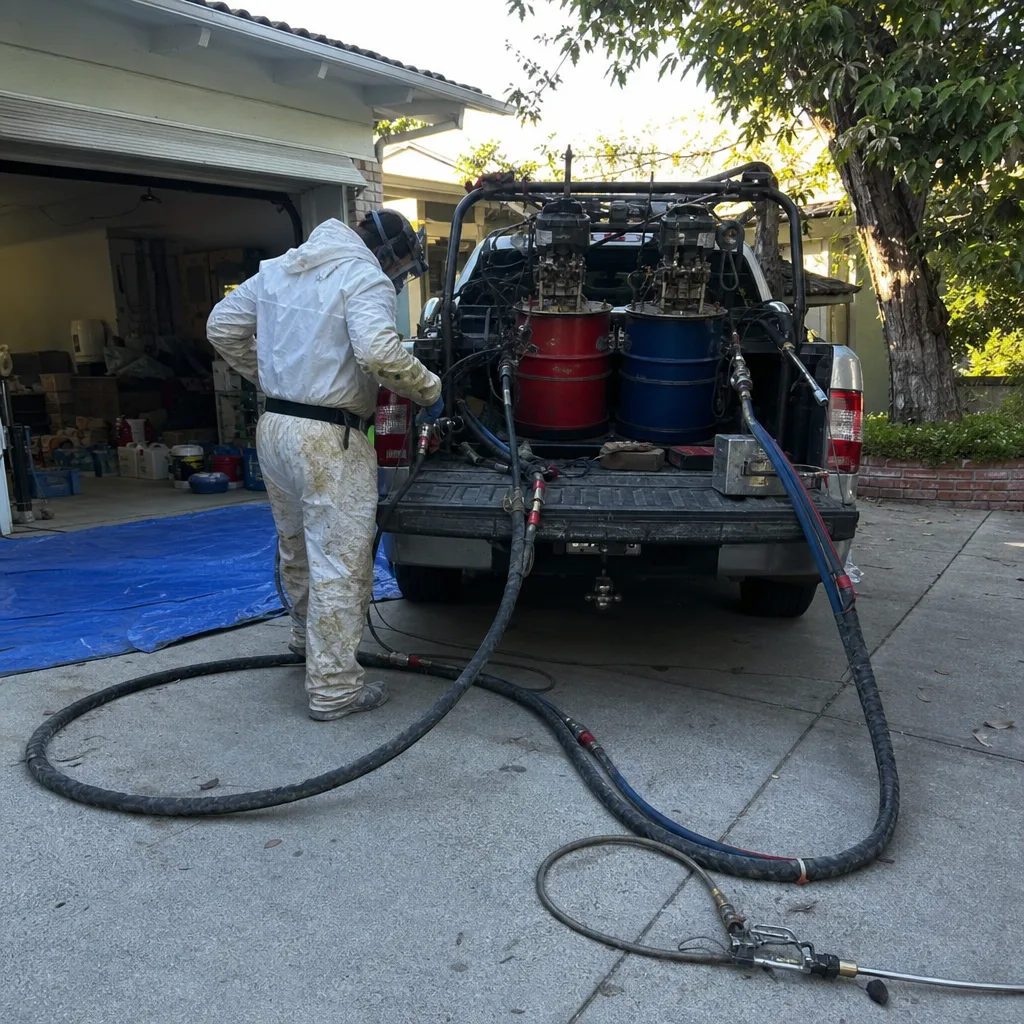
Pasadena’s climate - hot, dry summers with occasional extreme heat, mild winters with brief rain, and the Santa Ana particulate load - creates specific material performance conditions that override generic R-value recommendations.
Cellulose (GreenFiber and similar): Treated cellulose performs well in Pasadena’s dry climate, but the Santa Ana debris load is a real factor. We’ve opened attics in Altadena-adjacent Pasadena neighborhoods where cellulose had visible gray layering from three years of dust accumulation. The material still insulates, but the effective R-value degrades. Cellulose requires more frequent surface inspection than fiberglass in this climate, and it benefits more from excellent air sealing and filtration at vent openings. GreenFiber’s stabilized cellulose, with added adhesive to reduce settling, maintains density better in attics with moderate foot traffic for maintenance access.
Fiberglass (Owens Corning, Johns Manville, Knauf): Unfaced fiberglass batts are common in Pasadena attics from original construction. The material doesn’t filter debris like cellulose, so surface loading is less of a concern. However, fiberglass is highly air-permeable. In an unsealed attic, it performs poorly because air moves through it freely. We’ve removed fiberglass batts that were black with filtered dust at the top surface - the dust marks the airflow pathways that rendered the insulation ineffective. Fiberglass works in Pasadena when the attic is properly sealed first, or when used as a cap over spray foam in a hybrid system.
Spray foam (open-cell and closed-cell): In Pasadena’s cooling-dominated climate, spray foam at the roof deck creates an unvented attic with the HVAC ducts inside conditioned space. This is the most significant efficiency upgrade available for homes with ductwork in the attic. The June gloom condensation risk, discussed earlier, means open-cell foam requires careful thickness and coating selection. Closed-cell foam, at 2 inches or greater, provides its own vapor retarder. We’ve applied closed-cell foam to roof decks in Pasadena’s historic districts where altering exterior appearance is restricted and attic ventilation can’t be modified.
The material choice also affects what seasonal care looks like. Cellulose and fiberglass surfaces can be inspected visually and photographed for debris loading. Spray foam surfaces should be inspected for mechanical damage from tradespeople working in the attic, and for the development of cracks at framing joints due to thermal movement. Each material has a different failure mode in Pasadena’s climate, and the seasonal inspection checklist should reflect that.
Common Mistakes to Avoid
- Adding insulation over unsealed penetrations. This is the most common error we correct in Pasadena homes. The new insulation performs briefly, then air movement through the bypasses creates convection loops that strip heat in winter and introduce attic heat in summer. The insulation becomes a filter for dust and a habitat for pests.
- Blocking soffit vents with insulation. Well-meaning homeowners or inexperienced contractors push insulation to the eaves to maximize coverage, cutting off intake ventilation. In Pasadena’s climate, this creates the cold pockets that produce June gloom condensation and accelerates shingle degradation from trapped heat.
- Ignoring the attic hatch. A 1/2-inch gap around a standard attic hatch is equivalent to a 6-inch diameter hole in the ceiling plane. In Santa Ana conditions, this is a direct debris intake. Weatherstripping costs $15 and 30 minutes; ignoring it costs insulation performance and indoor air quality.
- Confusing roof leaks with condensation. Homeowners who see sheathing staining in February often call roofers for estimates on a problem that air sealing would fix. A moisture meter and a blower-door test distinguish the two in minutes; a visual guess leads to unnecessary expense.
- Testing ductwork by feel instead of measurement. “The air feels cold” doesn’t indicate adequate flow or minimal leakage. A duct blaster test reveals leakage that hand-waving misses, and the cost of the test is recovered in the first cooling season if significant leaks are found and sealed.
- Skipping the annual benchmark after envelope work. Homeowners who invested in air sealing and insulation in 2019 have no objective record of whether that performance has held. Envelopes degrade; the annual blower-door test catches degradation before it becomes comfort complaints.
- Using national four-season checklists for Pasadena. The generic advice to “check insulation before winter” ignores that Pasadena’s winter heating load is minimal and the critical preparation window is September, before Santa Ana winds, not October before frost.
When to Call a Professional
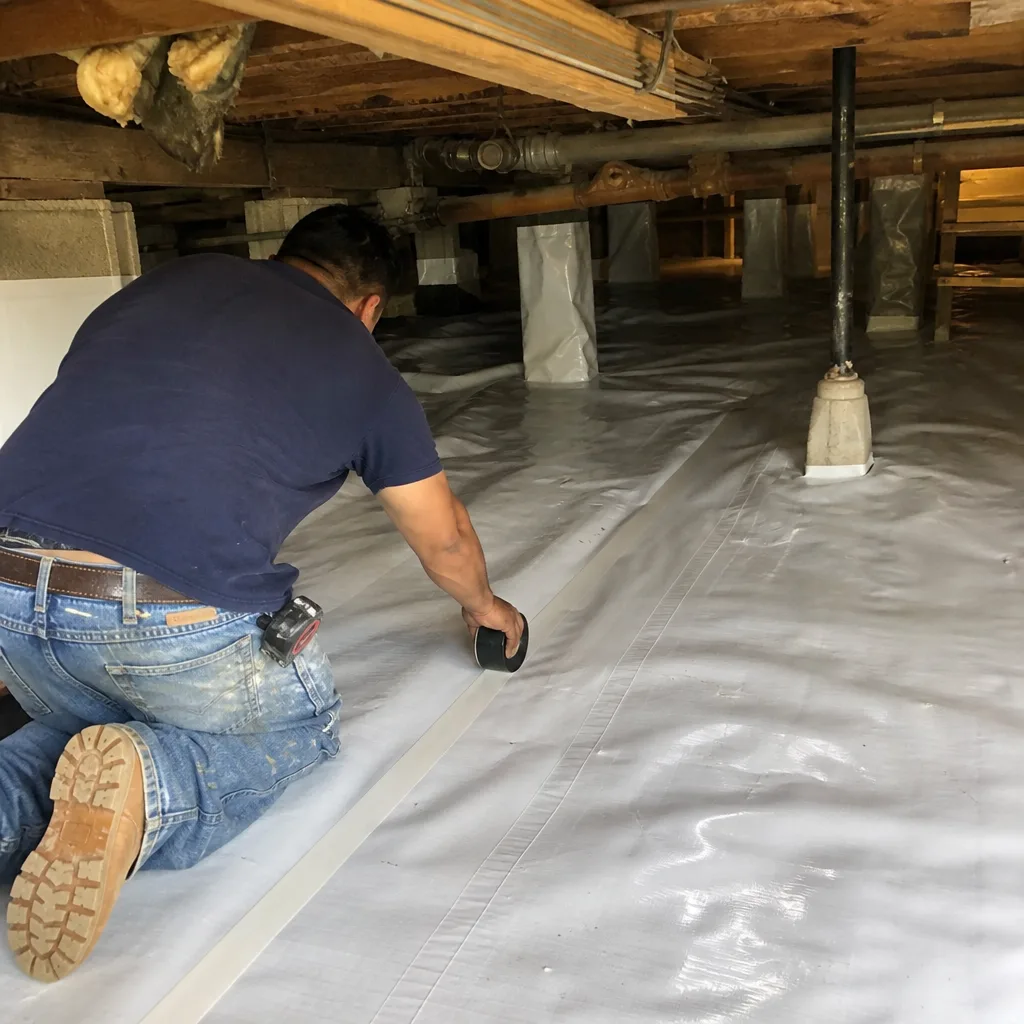
Some conditions require equipment and training that homeowners shouldn’t attempt to acquire for a single use. A blower-door test demands a calibrated fan, manometers, and interpretation experience. Duct blaster testing requires pressurization equipment and the knowledge to distinguish leakage to outside from leakage to inside. Spray foam inspection for proper thickness and coverage needs moisture meters and core sampling tools. And any work involving electrical penetrations in the attic requires awareness of energized circuits that may not be obvious.
Call a professional when you find moisture staining of any origin, when cooling runtime has increased year-over-year without thermostat changes, when debris loading on insulation is visible from the attic hatch, or when any envelope work is more than five years old and hasn’t been benchmarked. Topside Attic Insulation Pasadena offers free estimates in Pasadena. Call (213) 816-5351 to schedule an inspection with documented findings, including photographs and, on applicable jobs, before-and-after blower-door readings.
Frequently Asked Questions
Inspect visually from the hatch in September before Santa Ana season, and perform a thorough entry inspection with photography in late February after the rainy season. Homes with cellulose insulation or heavy nearby tree cover may need a mid-season check in January if Santa Ana events have been frequent. Call (213) 816-5351 for a free estimate if you find debris loading or staining.
No. Pasadena’s heating season is short but the Santa Ana wind season is the real driver of attic degradation. The September preparation - soffit screens, hatch seals, and baseline photography - prevents the debris loading and pest habitat creation that becomes apparent in spring. The work is timed to wind patterns, not temperature.
A standalone blower-door test in Pasadena typically costs $250 to $400, depending on home size and whether duct blaster testing is included. For homes that have had prior envelope work with us, we include annual benchmarking as part of our follow-up commitment. The test produces a documented CFM50 reading that you can compare year to year. Call (213) 816-5351 to schedule.
Loose-fill fiberglass or cellulose over existing insulation is physically simple but technically risky without air sealing first. We’ve corrected dozens of Pasadena homes where DIY or inexperienced contractor work buried unsealed can lights, blocked soffit vents, or covered attic fans that should have been removed. The Haven Standard requires air sealing before insulation; we won’t perform one without the other, a topic covered in our DIY vs Professional Insulation: The Pasadena Homeowner’s Decision Guide. Get a free second opinion on any written estimate before proceeding.
Duct leakage is the most common cause we find in Pasadena. A vented attic at 150 degrees with 20 percent duct leakage dumps 30 percent of your cooling capacity before it reaches the rooms. Insulation reduces conductive heat gain through the ceiling, but it doesn’t fix distribution losses. A duct blaster test in June identifies this before peak load. Call (213) 816-5351 for an estimate that includes duct leakage assessment.
Air sealing closes the holes that allow air movement between conditioned space and attic - top plates, penetrations, can lights, the chimney chase. Insulation slows heat transfer through solid materials. In Pasadena’s climate, air movement dominates heat flow; an R-38 attic with air leaks performs like an R-19 or worse. Sealing first stops the air movement, then insulation performs at its rated value. We document the difference with before-and-after blower-door numbers on every job.
The Bottom Line
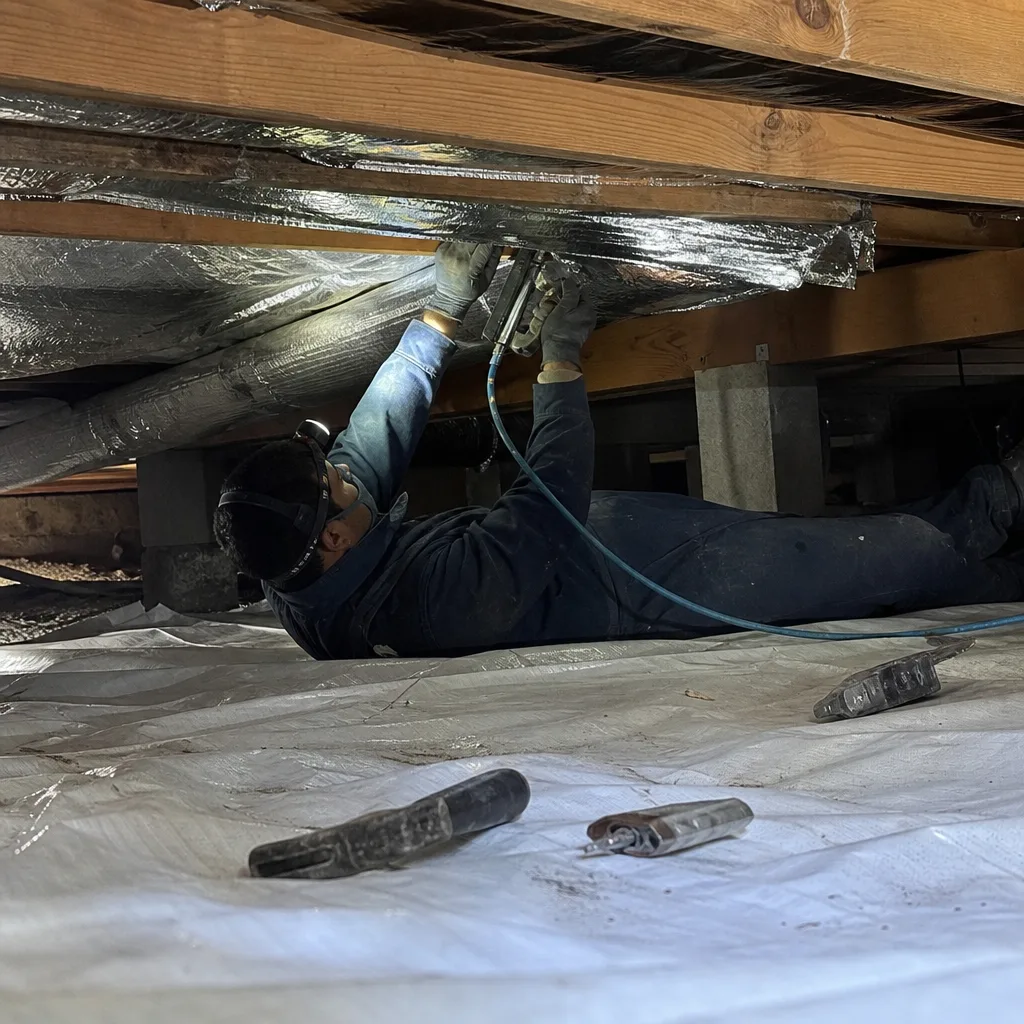
Pasadena’s insulation calendar has three seasons, not four. September prepares for Santa Ana debris loads. May and June monitor for June gloom condensation at the roof deck. June also brings the duct leakage check before peak cooling load drives electric bills. The post-rain inspection in February distinguishes roof leaks from air-transported moisture that sealing would fix. And the annual blower-door benchmark replaces subjective comfort guesses with a measured trend line. Timed to these actual climate windows, seasonal insulation care prevents the failures that generic quarterly checklists miss, and our more guides & resources cover related topics in detail.
Written by Wes Okafor, Owner at Topside Attic Insulation Pasadena, serving Pasadena since 2016.