
Attic Insulation Replacement in Pasadena, CA
Attic insulation replacement in Pasadena means removing what’s up there now – deteriorated batts, compressed blown-in, or rodent-contaminated material – sealing every air leak in the attic floor before a single inch of new insulation goes in, then installing fresh material to the R-value your home actually needs. Most Pasadena homes we assess are sitting on insulation that’s lost 30 to 50 percent of its rated performance, and the gap between what the label once promised and what the material is currently delivering shows up clearly on a blower-door test. Call us at (213) 816-5351 if you want a written price before anything starts – that’s not a slogan, it’s how every job here runs.
Topside Attic Insulation Pasadena has been doing this work under The Haven Standard since 2016. We operate as part of Envelope Insulation Co., an independently owned and operated building-envelope contractor that has completed work in more than 9,000 homes – every single one with a written price before the crew touched a tool. This page covers what replacement specifically involves, when it makes more sense than a top-up, what it costs in Pasadena’s market, and what you’ll have in your hands when we leave.
If you’re still deciding whether you need a full replacement or just additional coverage on top of what’s there, our Attic Insulation in Pasadena parent page walks through both scenarios in detail. And for context on how replacement fits into the broader Attic Insulation service line, that pillar covers the full scope.
When You Need Attic Insulation Replacement
An Attic Insulation Top-Up works when existing insulation is still intact, dry, and reasonably distributed. Replacement is the right call when the material itself has failed, been contaminated, or was never installed correctly to begin with. Here’s what we find most often in Pasadena attics:
- Rodent damage and contamination. In neighborhoods like Bungalow Heaven and the older craftsman blocks near Marengo Avenue, we frequently find batt insulation that rats have shredded for nesting material. Contaminated insulation can’t be topped-up – it has to come out, the attic has to be sanitized, and then new material goes in over properly sealed penetrations. Laying fresh insulation over compromised material is something we won’t do.
- Moisture intrusion and mold growth. Pasadena sits at the base of the San Gabriel Mountains, and the micro-climate difference between a north-facing slope in Altadena and a flat lot near the 210 is real. Roof leaks, bathroom exhaust fans venting directly into the attic cavity (still extremely common here), and inadequate ventilation turn fiberglass batts into mold sponges. Wet insulation has an effective R-value close to zero and needs to be removed before the moisture source is corrected.
- Original blown-in that has settled to two or three inches. Many Pasadena homes built in the 1950s and 1960s received blown cellulose or fiberglass that has compacted over the decades to a fraction of its original depth. At two to three inches, you’re looking at R-6 to R-8 in a climate zone that calls for R-38 to R-60 depending on the CalGreen compliance pathway. Topping up severely settled material is sometimes appropriate; topping up settled material that is also contaminated or moisture-damaged is not.
- Improperly installed kraft-faced batts with the vapor barrier facing the wrong direction. We see this regularly in homes that had DIY work done somewhere between 2000 and 2015. A reversed vapor barrier traps moisture inside the insulation layer, which accelerates degradation. The whole layer has to come out.
- Post-fire smoke and ash contamination. After the Eaton Fire and fires in the foothill corridors above Pasadena and Altadena, a number of homes in our service area had attics infiltrated by smoke and ash even when the structure itself was untouched. That material is not salvageable – it holds odor, and the particulates it releases into living spaces are a genuine air-quality concern.
- Insulation installed before air sealing was done. This is the one we find most often and the one that produces the biggest performance gap. If insulation was blown over unsealed top plates, open can light housings, and unsealed plumbing and electrical penetrations, the home never received the thermal performance it paid for. The only correct fix is removal, proper air sealing of the attic floor, and then reinstallation.
Our Attic Insulation Replacement Process
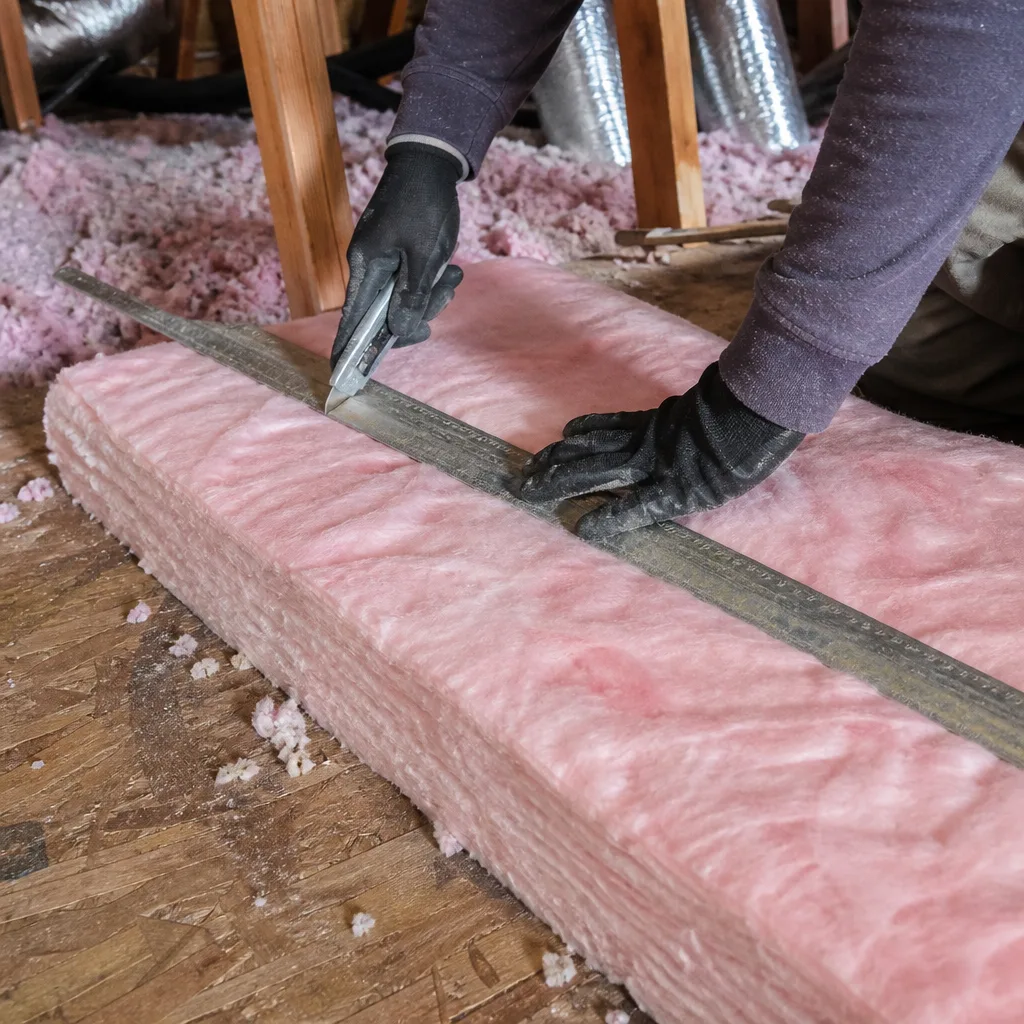
We run this the same way on every job because the sequence matters. Skipping or reordering any of these steps produces a result that looks finished but doesn’t perform. This is the order we work in:
- Blower-door test – before anything else. A blower-door test depressurizes the house to a standard pressure (50 Pascals) and measures how much air is flowing in from outside. The number we record, in CFM50 (cubic feet per minute at 50 Pascals), is your baseline. It tells us how leaky your building envelope is right now and gives us a target to beat. We’ve measured Pasadena homes at 4,500 CFM50 before the work and seen them drop to 2,200 after sealing. You get that number in writing – not a description of it, the actual figure.
- Written scope and written price – before the crew starts. Under Haven Standard Clause 1, you receive a flat written price and a written scope of work before anyone lifts a tool. If the job changes, the price changes in writing before the change happens. No verbal adjustments, no surprise line items when the invoice arrives.
- Removal of existing insulation. We use commercial-grade vacuum equipment to extract all existing material. It goes into sealed bags and is hauled off the same day. The attic floor is left clean enough to work on before the next step begins. In heavily contaminated attics, we treat surfaces with an EPA-registered disinfectant after removal and before sealing.
- Air sealing – the non-negotiable step. Every top plate, every can light housing, every plumbing and electrical penetration gets sealed with two-part spray foam or fire-rated caulk, depending on the application. We do not skip this step, and we do not treat it as an optional add-on. Blowing insulation over an unsealed attic floor is one of the most common ways a homeowner spends money on a job that underperforms from day one. Wes Okafor has been specific about this since 2016: sealed first, then insulated, in that order.
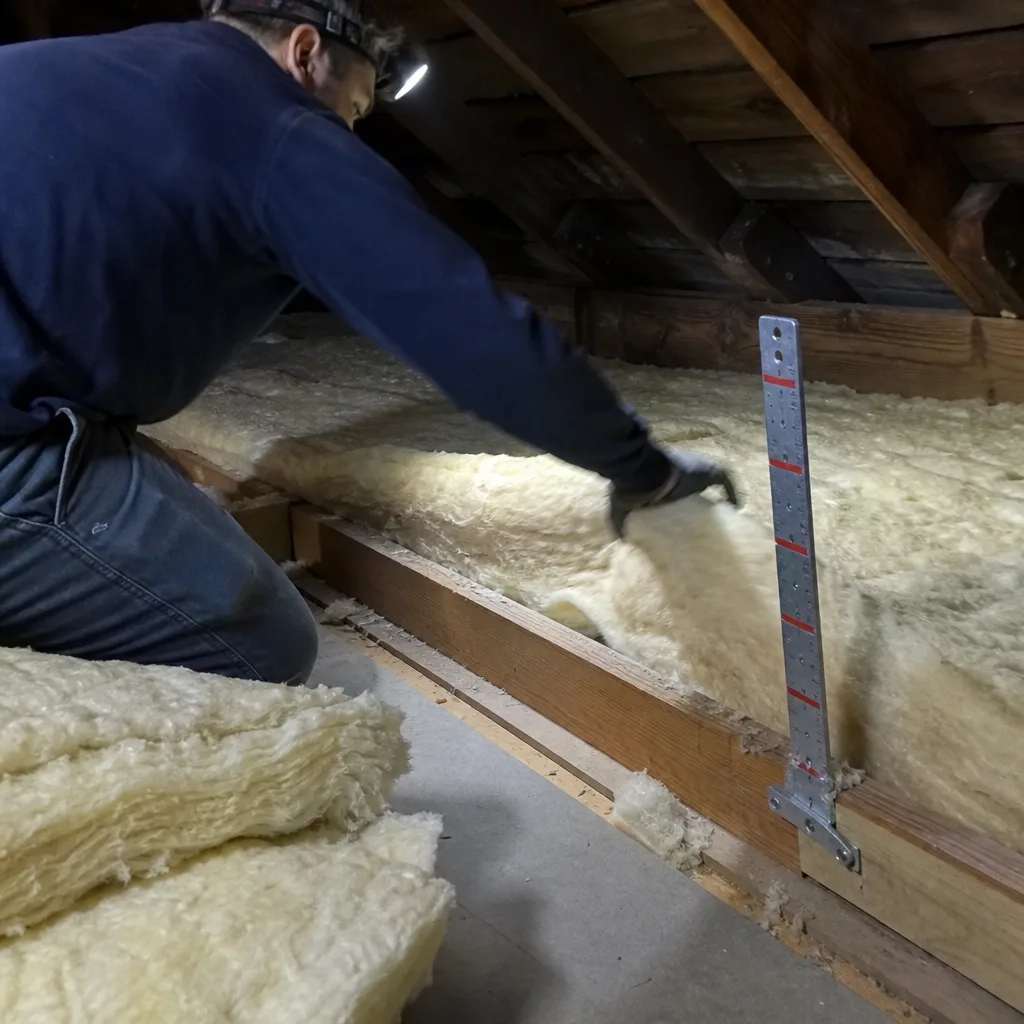
- Insulation installation to the specified R-value. We use material from manufacturers including Owens Corning, GreenFiber, and Johns Manville, depending on what the job calls for and what the homeowner prefers. For most Pasadena attics, blown-in fiberglass or blown-in cellulose to R-49 or R-60 is the right answer – deep enough to meet current Title 24 Part 6 requirements and to handle the temperature swings that run from mild coastal-influenced mornings to 100-plus-degree afternoons in late September. Batt installation is available where framing layout makes it appropriate, but blown-in distributes more evenly around obstructions.
- Post-installation blower-door test and documented photo record. We run the blower-door again after the work is complete. The before and after numbers go into your written record alongside photos of the sealed penetrations, the completed insulation depth at multiple measurement points, and the product data sheets for the material installed. You leave with documentation, not a handshake.
Attic Insulation Replacement Pricing in Pasadena
Attic insulation replacement in Pasadena runs higher than a simple Blown-In Attic Insulation top-up because you’re paying for removal, disposal, air sealing, and reinstallation – four distinct scopes of work. Most jobs in this market fall in the following ranges:
- Removal only (no reinstallation): $800 – $1,600 for a typical 1,200 to 1,800 sq ft attic footprint, depending on the depth and type of existing material.
- Removal + air sealing: $1,400 – $2,400. Air sealing labor and material adds time, especially in older Pasadena homes where the number of penetrations in the attic floor is high.
- Full replacement (removal + air sealing + new insulation to R-49): $2,800 – $5,200 for most Pasadena homes in the 1,400 to 2,400 sq ft attic footprint range. Larger homes, heavily contaminated attics requiring treatment, or jobs with significant rodent proofing work will run toward the top of that range or above it.
- Contaminated attic surcharge: Rodent-contaminated or smoke-affected attics add $300 – $900 for treatment and sealed-bag disposal, depending on severity.
Three things most commonly move the price on a Pasadena replacement job: the condition of what we’re removing (clean settled cellulose comes out faster than shredded rodent-damaged batts), the number of penetrations in the attic floor that need sealing (a 1950s California ranch with original can lights has more work than a 2005 build), and the target R-value. The written price you receive will break all of this out line by line.
We don’t ask you to call for a quote and wait. Under The Haven Standard, pricing is provided in writing before the job is scheduled. Call (213) 816-5351 and we’ll schedule a time to assess the attic and provide a written price with no obligation to proceed. If you already have a written estimate from another contractor, bring it – we offer a free second opinion on any written estimate and will read it with you, line by line.
FAQs – Attic Insulation Replacement
How long does attic insulation replacement take in Pasadena?
Most standard replacements in a 1,400 to 2,000 sq ft Pasadena home take one full day – sometimes two if the attic is heavily contaminated or if the air sealing scope is extensive. The removal phase alone runs two to four hours with commercial vacuum equipment. Air sealing follows and typically takes two to three hours on a home with a moderate number of penetrations. Installation is the fastest step in most cases. We give you a time estimate in writing when we schedule the job, not a vague “half-day to full-day” window. Call (213) 816-5351 for a specific assessment of your home.
Is full replacement always necessary, or is a top-up sometimes better?
A top-up is the right call when the existing insulation is dry, uncontaminated, and reasonably intact – just thin. Full replacement is necessary when the material has been compromised by moisture, pests, smoke, or improper installation (especially insulation installed before the attic floor was air-sealed). The distinction matters because topping up over contaminated or moisture-damaged material traps the problem rather than fixing it, which is why proper Attic Baffles & Ventilation Prep is assessed before any work begins. We assess what’s actually up there before recommending either path, and we’ll tell you honestly which one applies to your home – not whichever produces the larger job for us.
What R-value does Pasadena require for attic insulation?
California’s Title 24 Part 6 energy code requires R-38 at minimum for attic insulation in Climate Zone 9, which covers most of Pasadena. Current CalGreen compliance pathways and utility rebate programs from Southern California Edison and the Los Angeles Department of Water and Power (for homes on LADWP service, which includes parts of the Pasadena area) often require or incentivize R-49 or R-60 to qualify. In practice, we install to R-49 as a default on full replacements because the incremental material cost between R-38 and R-49 is small relative to the labor already being performed, and the performance difference in a home that hits 100 degrees in the San Gabriel foothills in late summer is measurable. Your written scope will specify the R-value being installed and the product used to achieve it.
Do you publish the blower-door results, and what do those numbers actually mean for my energy bills?
Yes – before-and-after blower-door numbers are included in the documented record on every applicable job. The number, expressed in CFM50, tells you exactly how much conditioned air your home was exchanging with the outside at a standard test pressure, and how much it’s exchanging after sealing. A home that drops from 4,000 CFM50 to 1,900 CFM50 has roughly halved its uncontrolled air leakage. What that translates to in dollar terms depends on your utility rate, your HVAC system’s efficiency, and how you use the home – we don’t fabricate a savings projection. But the before and after numbers are yours to share with your energy auditor, your utility, or a third-party rater, and they give you a factual basis for evaluating what the work actually did. If you want to pair this with a formal home energy audit, that’s a service we offer separately.
Why Pasadena Homes Specifically Need This Done Right
Pasadena’s thermal profile is genuinely unusual for a Southern California city. The San Gabriel Mountains sit immediately to the north, which compresses the temperature swing: mornings in the Arroyo Seco neighborhoods can be 20 degrees cooler than afternoons in the flatter grid east of Lake Avenue. Summer afternoons regularly push past 100 degrees. Attic temperatures in direct-sun exposures on a still September afternoon in Pasadena can exceed 150 degrees, which means an attic floor with inadequate insulation and unaddressed air leaks is funneling heat into living spaces continuously.
Older housing stock compounds this. The bungalows, craftsmans, and mid-century ranches that make up a large share of Pasadena’s neighborhoods – particularly in San Rafael Hills, Bungalow Heaven, and along the older blocks of Altadena Drive – were built before energy codes required any attic insulation at all. Many received their first insulation during the energy crisis retrofits of the late 1970s and early 1980s. That material is now 40 to 45 years old. Even if it hasn’t been disturbed by pests or moisture, blown cellulose from that era has typically settled to less than half its original depth.
There’s also a code point worth knowing if you’re planning any permitted remodel work: California requires attic insulation to be brought up to current R-value requirements when more than a threshold square footage of the home is being altered under permit. If you have a kitchen or addition permit in progress, we can coordinate the insulation scope to satisfy the inspector’s requirements and give you a written record to include in your permit file.
Wes Okafor and the Topside team have assessed and replaced insulation in homes across Pasadena, from the historic preservation overlay districts near South Orange Grove Boulevard to newer construction in East Pasadena closer to the 605 interchange. The approach doesn’t change by neighborhood, but the specific conditions – attic depth, rafter configuration, penetration count, existing material type – vary considerably, and what we find gets documented before the written price is issued.
What You Receive When the Job Is Done
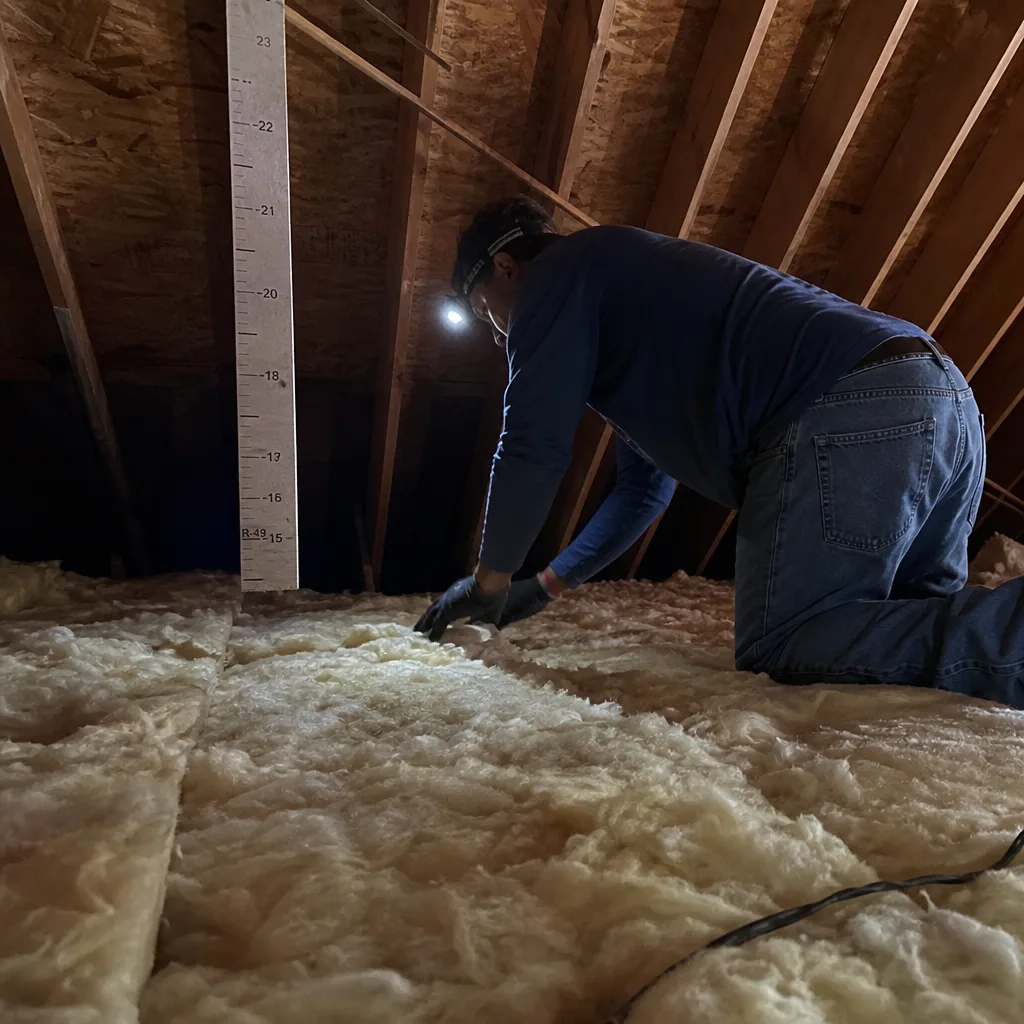
Before we leave, you have a physical or digital package that includes: the pre-work blower-door reading, the post-work blower-door reading, photographs of sealed penetrations and completed insulation depth at multiple measurement points across the attic floor, the product data sheet for the insulation material installed (manufacturer, R-value, installed depth), and the written warranty under the 365-Day Done Right Promise. If anything isn’t right within 365 days of the completed job, we make it right – that’s in writing, not a verbal assurance.
This documentation record matters for more than your own records. It’s useful if you sell the home and a buyer’s inspector asks about attic condition. It’s useful when applying for utility rebates that require verified installation depth. And it’s useful if you ever want to verify that the work performed matches the written scope you approved before the job started.
Schedule Your Attic Insulation Replacement Assessment in Pasadena
If your Pasadena home has insulation that’s more than 15 years old, if you’ve had any rodent activity in the attic, if a past contractor blew insulation without first sealing the attic floor, or if your cooling bills have climbed without an obvious explanation, a replacement assessment is the right starting point. Call (213) 816-5351 to schedule. We’ll assess the attic, document what we find, and give you a written price with a line-item scope before you decide anything. No verbal estimates, no follow-up calls asking if you’re ready to commit. A written price before any work starts – that’s Haven Standard Clause 1, and it applies to every job we take on in Pasadena.
Written by Wes Okafor, Owner at Topside Attic Insulation Pasadena, serving Pasadena.