
Owens Corning Crawl Space Encapsulation: The Pasadena Owner’s Guide
We stock and install Owens Corning-compatible crawl space encapsulation systems in Pasadena, with most full encapsulations running between $4,800 and $8,200 depending on crawl space square footage and whether the foundation walls need rigid foam board. Same-day assessments are available, and we carry 6-mil and 12-mil reinforced polyethylene vapor barrier rolls, seam tape, and mechanical fasteners on every truck. Most homeowners realize something’s wrong when they notice a sharp musty smell rising through floor registers in winter, or when a routine termite inspection reveals standing water under the vapor barrier that should have been sealed out years ago.
Which Owens Corning Models This Applies To
Owens Corning does not manufacture proprietary crawl space encapsulation kits under a single model series; instead, the brand’s building science division specifies system components that independent contractors assemble to job conditions. What we see in Pasadena homes, particularly the 1920s bungalows in Bungalow Heaven and the hillside Craftsmans near Orange Grove Boulevard, are encapsulations built around Owens Corning Foamular NGX rigid foam board (the pink extruded polystyrene, typically 1-inch or 2-inch), paired with their specified vapor barrier weights and tape systems.
To identify what you have, look for the Owens Corning logo stamped on any exposed rigid foam board, or check for pink-tinted tape at seam joints. The Foamular NGX line, introduced to replace the older Foamular 150/250/400 designations, uses a blowing agent with lower global-warming potential and carries a compressive strength rating printed on the board edge - 15 psi for standard wall applications, 25 psi where foot traffic or storage loads are expected. If your existing encapsulation uses the older blue or gray board, it’s not Owens Corning; if it’s pink with a faint “NGX” marking, it is.
On the vapor barrier side, Owens Corning historically specified 6-mil reinforced polyethylene for basic moisture control and 12-mil for full encapsulations with conditioned air. We stock both, plus the acrylic-based seam tape that actually bonds to polyethylene long-term - the rubberized asphalt tape many competitors use turns gummy and loses adhesion in Pasadena’s summer crawl space heat, which regularly exceeds 95°F even when the house above is 72°F.
Signs Your Owens Corning Crawl Space Encapsulation Is Failing
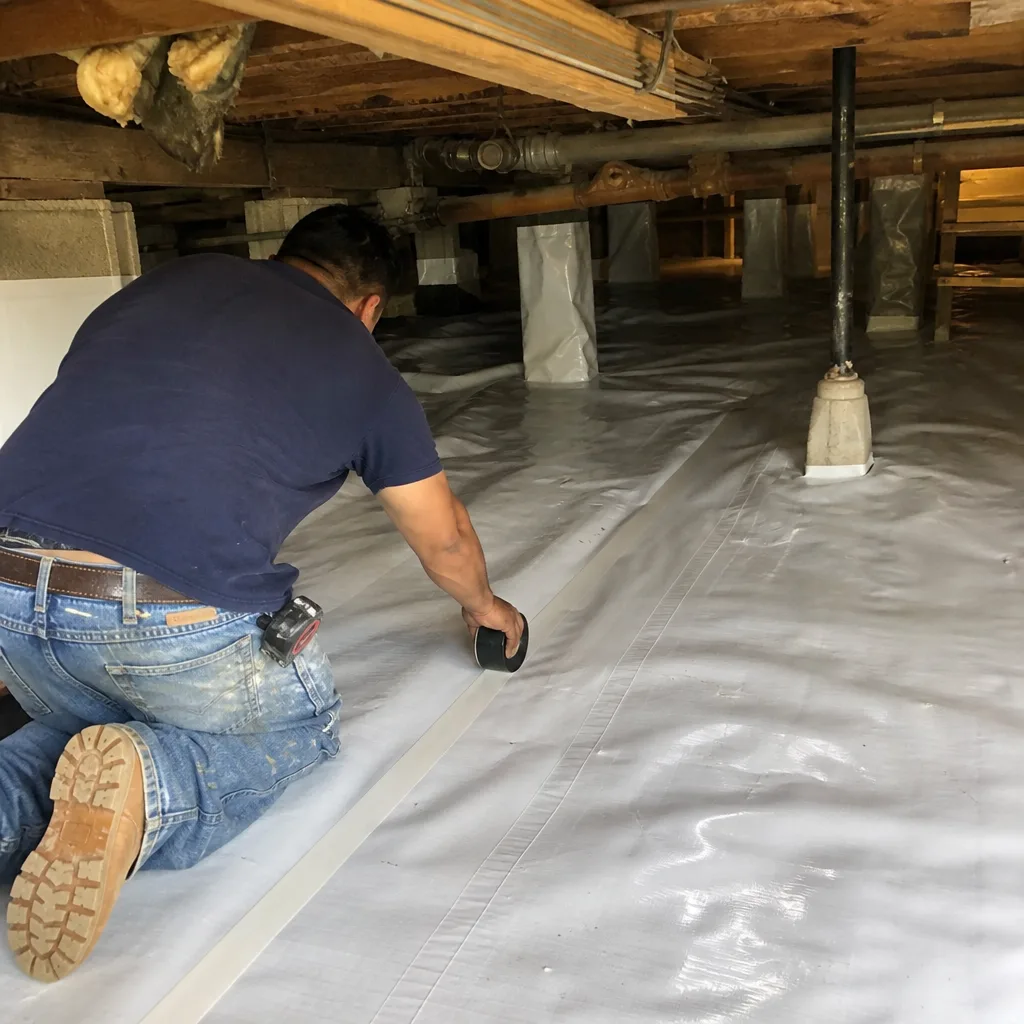
- Musty odor that worsens after rain. The vapor barrier has separated at seams or pulled away from foundation walls, letting soil moisture evaporate into the crawl space air. In Pasadena’s clay-heavy soils, especially in the foothill neighborhoods below the San Gabriel Mountains, hydrostatic pressure pushes water through even hairline gaps.
- Floor insulation sagging or falling. Fiberglass batts installed between joists absorb moisture from humid crawl space air, then the binding adhesive fails and the batts drop onto the vapor barrier. We see this constantly in homes where the encapsulation was installed without sealing rim joists first - conditioned air leaks out, humid air replaces it, and the insulation becomes a sponge.
- Increased allergy symptoms or respiratory issues. Relative humidity above 60% grows mold on organic surfaces, including the paper backing of fiberglass batts and any exposed wood framing. Owens Corning’s system is designed to hold humidity below 55%; if it’s not, the seal is compromised somewhere.
- Higher heating and cooling bills with no other explanation. A failed encapsulation lets outside air infiltrate through the crawl space, and that air travels through floor penetrations into conditioned space. Your HVAC works harder to compensate. We’ve measured blower-door numbers - a pressurization test showing how much air leaks through the building envelope - that improved 800 CFM50 or more after re-sealing a crawl space that had “looked fine” to the homeowner.
- Condensation on ductwork or plumbing lines. When humid crawl space air contacts cold surfaces, water beads and drips. In summer, this is almost always a sign that the vapor barrier is breached or the crawl space vents were never properly sealed as part of the original encapsulation. We’ve found open foundation vents behind overgrown ivy in Pasadena’s older neighborhoods more times than we can count.
Replacement Cost & What’s Included
In Pasadena, a full Owens Corning-compatible crawl space encapsulation typically runs $4,800 to $8,200 for crawl spaces between 800 and 1,500 square feet. The low end assumes a straightforward vapor barrier replacement with intact rigid foam board; the high end includes removing failed existing materials, installing new Foamular NGX rigid foam on foundation walls, sealing rim joists with closed-cell spray foam, and laying 12-mil reinforced polyethylene with mechanical fastening to the sill plate.
What drives the range: crawl space height (less than 18 inches requires specialized equipment and more labor), extent of existing material removal, whether a condensate pump or dehumidifier is needed, and accessibility - hillside homes in Linda Vista or San Rafael often have partial crawl spaces with multiple levels. Every quote we provide is a written price before any work starts, with line-item breakdown: materials, labor, disposal, and any mechanical components. The 365-Day Done Right Promise applies to all encapsulation work, and you receive a Documented Photo Record of the completed job plus before-and-after blower-door readings where the crawl space connects to conditioned space through significant penetrations.
DIY or Call Us?
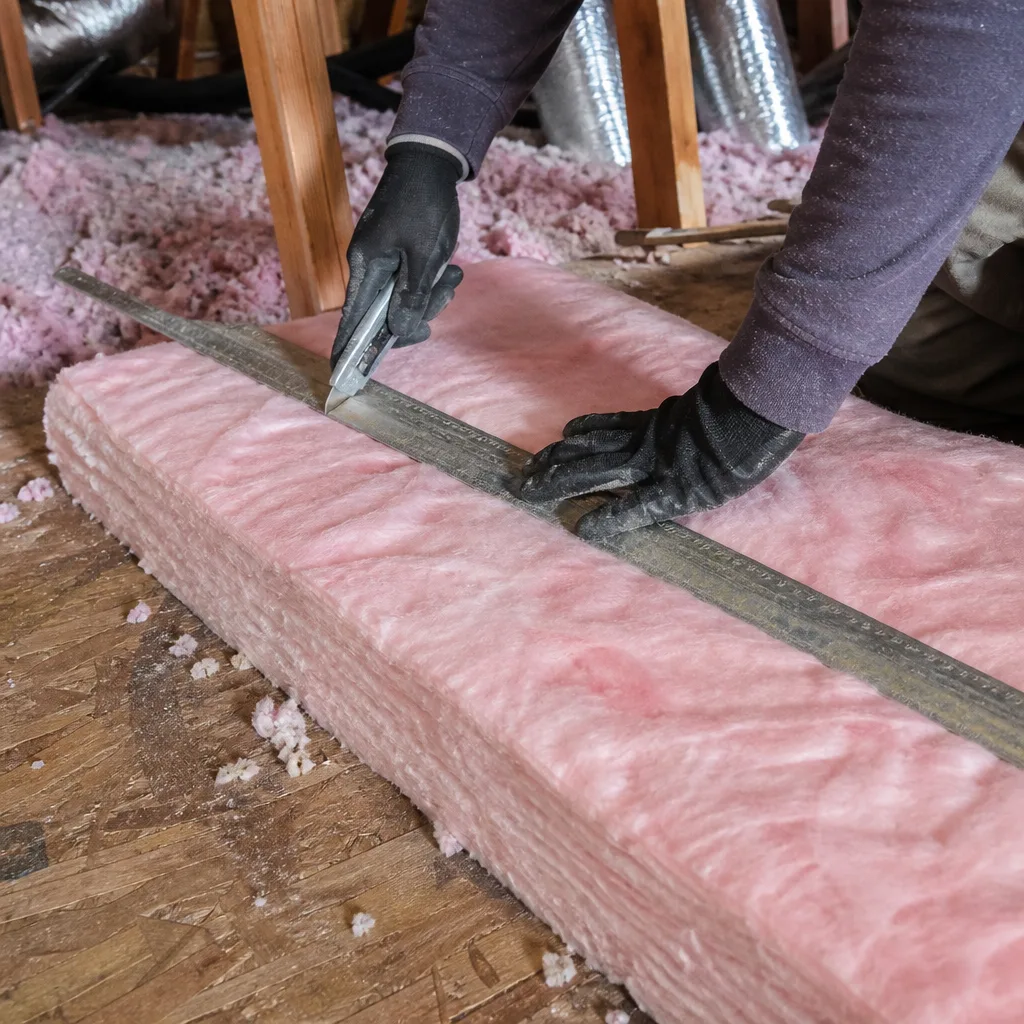
There’s a honest line here. A homeowner can safely inspect their own crawl space with a flashlight and a respirator rated for mold spores - look for standing water, torn vapor barrier, or daylight visible through foundation vents. You can also check the humidity with a $15 hygrometer left overnight; readings above 60% confirm the seal is failing somewhere.
Where DIY goes wrong: proper encapsulation requires sealing the entire building envelope connection between crawl space and living space, which means working at the rim joist with spray foam or rigid foam and acoustic sealant, often in spaces too tight to wear proper respiratory protection. Disturbing old fiberglass batts without containment spreads fibers and any embedded rodent droppings. And without a blower-door test - a pressurization reading that shows, in one number, how much air your building envelope is losing - you cannot verify that the encapsulation actually works. We’ve been called to fix DIY encapsulations where the homeowner spent $1,200 on materials and achieved no measurable air-sealing improvement. Seal the leaks first. Then insulate. The numbers will tell you why.
We’re an independent service provider, not affiliated with Owens Corning, though we source their materials alongside Johns Manville, Knauf, Rockwool, and others. If you want a second opinion on any written estimate, bring it to us - we’ll read it with you, line by line.
FAQs
A properly installed Owens Corning-compatible encapsulation lasts 15 to 20 years in Pasadena’s climate, though the 12-mil vapor barrier may need seam tape touch-ups after 10 years due to thermal cycling in crawl spaces that exceed 100°F in August. The Foamular NGX rigid foam board does not degrade from moisture exposure, which is why it’s specified for this application. Call (213) 816-5351 if you’re unsure whether your system is original or a later repair - we can date the materials from the markings.
Partial repair is viable when the vapor barrier has isolated tears or a few failed seams, which we can patch with fresh 12-mil polyethylene and acrylic seam tape for $800 to $1,400. Full replacement is necessary when the barrier is extensively degraded, when rigid foam board has detached from foundation walls, or when the original installation omitted rim joist sealing - in which case you’re treating symptoms, not the disease. We provide a written scope before any work starts so you know which path applies to your crawl space.
Most residential crawl spaces in Pasadena take two to three days: one day for material removal and surface prep, one day for rigid foam and vapor barrier installation, and a partial third day for detail sealing and blower-door verification. Larger or restricted-access crawl spaces may extend to four days. We do not rush the curing time for spray foam at rim joists - cutting corners there defeats the purpose. You’ll get a text when the crew is on the way, and a named technician, under Haven Standard: Arrive on schedule.
We carry 6-mil and 12-mil reinforced polyethylene vapor barrier, Foamular NGX in 1-inch and 2-inch thicknesses, acrylic seam tape, mechanical fasteners, and closed-cell spray foam on every truck. For specialized components - dehumidifiers, condensate pumps, or custom-milled access door assemblies - we order from regional distribution and typically have them within 48 hours. Same-day assessment and emergency vapor barrier patching are available if standing water or mold is active. Call (213) 816-5351 - a live person answers, 24/7.
Written by Wes Okafor, Owner, Topside Attic Insulation Pasadena at Topside Attic Insulation Pasadena, serving Pasadena and nearby areas.