
Knauf Crawl Space Encapsulation: The Pasadena Owner’s Guide
We stock and install Knauf-compatible crawl space encapsulation systems in Pasadena, with most complete jobs running $3,800 to $6,200 depending on crawl square footage and whether the foundation needs active dehumidification tied in. Same-day starts are available when we have your liner spec on the truck, which we do for Knauf’s standard 6-mil and 12-mil reinforced poly lines. Most Pasadena homeowners discover their encapsulation has failed when they notice a sharp musty smell returning after months of absence, or when their dehumidifier starts running continuously without pulling the relative humidity below 60% - both signs that the vapor barrier has torn at seams, pulled from foundation walls, or degraded from the ground-up moisture pressure common in Pasadena’s older hillside homes near the Arroyo Seco.
Which Knauf Models This Applies To
Knauf does not brand crawl space encapsulation by homeowner-facing model numbers the way they mark batts or loose-fill insulation. Instead, you are looking for the Knauf Insulation crawl space system designation, typically found on the liner’s edge print or on the original installer’s scope of work. The two lines we see in Pasadena are the 6-mil standard reinforced polyethylene and the 12-mil cross-woven reinforced liner, the latter specified for crawl spaces with active groundwater or where rodent traffic has been documented. The 12-mil carries a higher puncture resistance - 70 pounds per ASTM D751 compared to roughly 35 pounds on the 6-mil - which matters in the tight, stone-strewn crawl spaces beneath 1920s Pasadena bungalows.
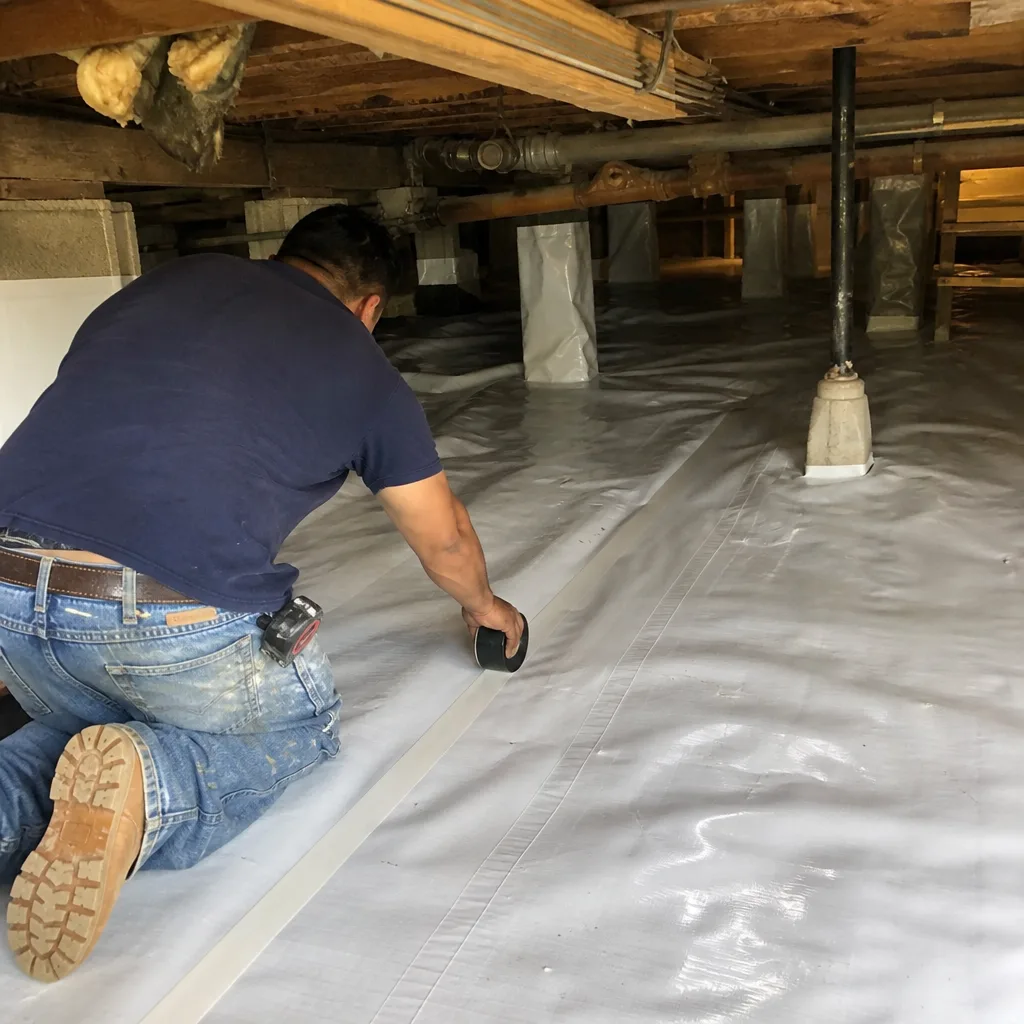
To identify what you have, check the white printed strip along any seam or edge of your existing liner. It should read “Knauf Insulation” with a lot number and mil thickness. If that strip has degraded, measure the material thickness with a caliper at an unstressed corner; anything reading between 0.006 and 0.008 inches is the standard line, while 0.010 to 0.014 indicates the reinforced system. We stock both, plus the Knauf-compatible seam tape - a butyl-backed, double-sided tape rated for damp substrate adhesion, which is where most DIY repairs fail within a season. We also carry Reflectix radiant barrier material where the crawl space has ductwork that needs summer heat gain control.
Topside Attic Insulation Pasadena is an independent service provider with no affiliation to Knauf. We source Knauf materials through standard distribution channels alongside Owens Corning, Johns Manville, and other manufacturers. For most Pasadena crawl spaces, we recommend the 12-mil reinforced liner even if the original install used 6-mil, because the incremental material cost - roughly $0.45 per square foot - is recovered in extended service life and fewer seam repairs.
Signs Your Knauf Crawl Space Encapsulation Is Failing
- Musty odor returning in conditioned spaces above. When the vapor barrier tears at seams or pulls from the sill plate, ground moisture re-enters the crawl space air. That humid air rises through floor penetrations and carries musty particulates into your living space, often first noticed in closets or rooms over the crawl.
- Dehumidifier running constantly without reaching set point. A properly sized dehumidifier in a sealed crawl should cycle. If it runs 20+ hours daily, the encapsulation envelope has a breach large enough that the unit cannot depressurize the moisture load. We see this most often in Pasadena’s Garfield Heights neighborhood, where clay-heavy soil holds groundwater against foundation walls.
- Visible condensation on ductwork or floor joists. Condensation forms when warm, humid crawl space air contacts cooler surfaces. In a functioning encapsulation, relative humidity stays below 60% and this does not occur. Spotted droplets on insulated flex duct or darkening of joist wood indicate the vapor barrier is no longer isolating the ground moisture source.
- Liner pulling away from foundation walls or piers. Knauf liners are secured with mechanical fasteners and sealant at the wall termination. Over time, foundation settling - common in Pasadena’s older fill soils - stresses this bond. Gaps as small as two inches allow enough moisture migration to compromise the entire system.
- Increased energy bills without thermostat change. Wet insulation in floor joist bays loses R-value rapidly. Saturated fiberglass batt can drop from R-19 to below R-5 effective. Your HVAC works harder to maintain temperature, and the blower-door number - that pressurization reading showing envelope leakage - climbs as humidity-driven air movement increases stack effect.
Replacement Cost & What’s Included
In Pasadena, a full Knauf-compatible crawl space encapsulation replacement typically runs $3,800 to $6,200 for crawl spaces between 800 and 1,500 square feet. The lower end assumes a straightforward 6-mil liner swap with intact dehumidifier and no active mold remediation. The upper end covers 12-mil reinforced liner, new mechanical fastening at all piers and walls, replacement of failed seam tape, and integration with a new or upgraded dehumidifier unit sized to the space.
What drives the range: crawl height (less than 18 inches requires specialized crew positioning), debris or old insulation removal, foundation wall prep if the existing sealant has degraded to powder, and whether the perimeter needs a new drainage mat to direct groundwater to a sump or daylight outlet. We provide a written price before any work starts, with line-item breakdown of materials and labor. Every job closes with a Documented Photo Record showing pre-condition, installed liner with seam details, and post-install dehumidifier readings. The 365-Day Done Right Promise applies to all encapsulation work.
DIY or Call Us?
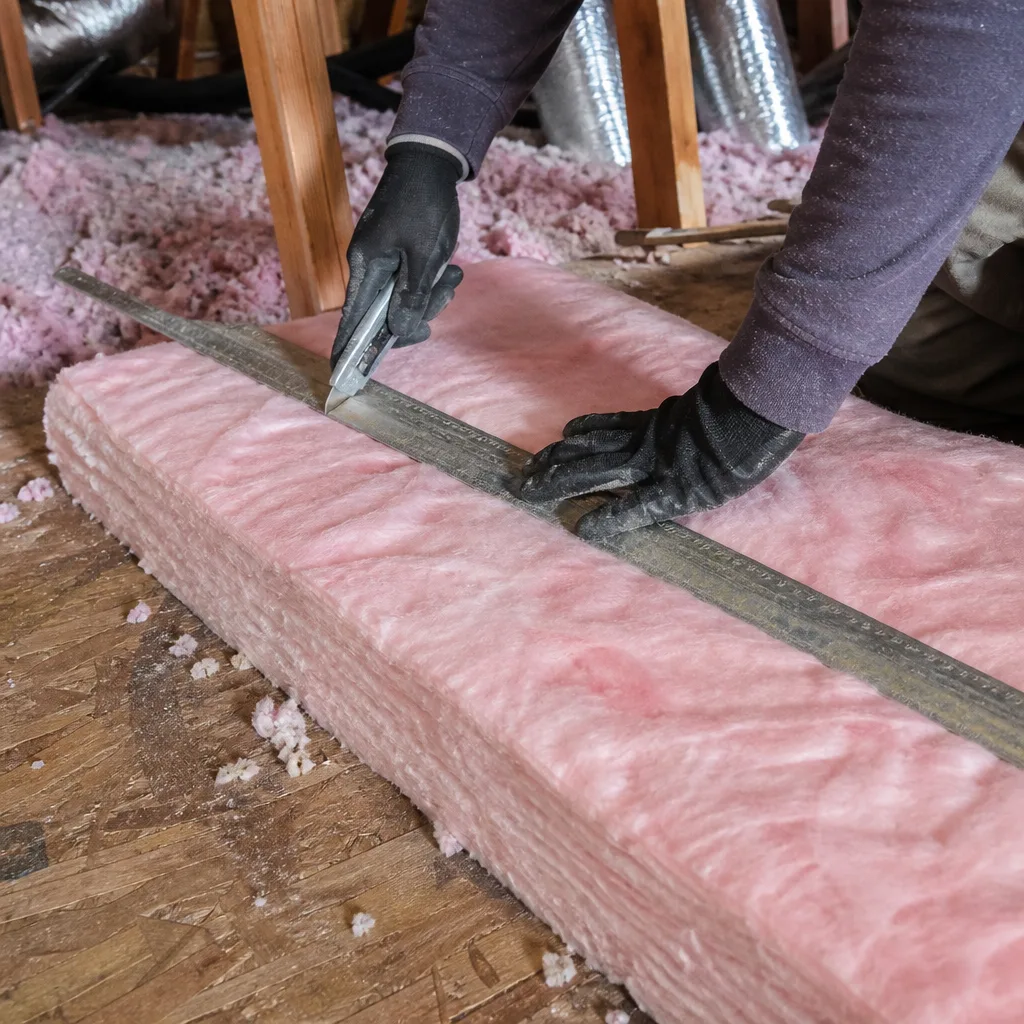
There is safe homeowner inspection and there is work that belongs to a crew in respirators. You can safely check your crawl space humidity with a digital hygrometer, photograph any liner tears or wall gaps for documentation, and verify your dehumidifier’s collection rate against its rated capacity. What you should not do: enter a crawl space with standing water without electrical lockout verification, attempt to re-adhere liner to damp foundation walls with consumer-grade tape, or remove old liner that may contain asbestos (common in pre-1980 homes in Pasadena’s historic districts).
The actual installation requires working in confined space with proper ventilation, cutting liner to fit around piers and plumbing without creating stress points that tear within a year, and applying seam tape to manufacturer-specified overlap dimensions. We have seen too many DIY encapsulations fail at the wall termination because the homeowner used the wrong sealant for the substrate - concrete block versus poured concrete versus old brick foundation each want a different bonding approach. Seal the leaks first. Then insulate. The numbers will tell you why. For a written price on your Knauf-compatible encapsulation, call (213) 816-5351.
FAQs
A properly installed Knauf 12-mil reinforced liner typically lasts 15 to 20 years in Pasadena’s climate, though homes in low-lying areas near the Arroyo Seco or with poor exterior drainage may see 10 to 12 years before seam repairs are needed. The 6-mil standard liner averages 8 to 12 years in similar conditions. Call (213) 816-5351 for an exact quote - estimates are free.
Isolated tears under two square feet can be patched with Knauf-compatible butyl seam tape if the surrounding liner is still flexible and the substrate is dry. Multiple tears, widespread embrittlement, or liner that has pulled from more than 30% of wall perimeter requires full replacement to restore the vapor barrier’s integrity. We assess this on every site visit and document it with photos you keep. Call (213) 816-5351 for an exact quote - estimates are free.
Most residential crawl spaces in Pasadena are completed in one to two working days, with the crew arriving at 8 AM and the space fully closed by late afternoon on day one for straightforward jobs. Debris removal, mold remediation, or crawl spaces under 18 inches in height add a second day. You receive a written schedule with your price before work starts. Call (213) 816-5351 for an exact quote - estimates are free.
We stock both the 6-mil and 12-mil Knauf-compatible reinforced liners, seam tape, drainage mat, and dehumidifier units on our Pasadena-area trucks. For non-standard widths or specialized vapor barriers, we pull from regional distribution with a 24- to 48-hour turnaround. Most Pasadena encapsulation jobs start within two business days of written price acceptance. Call (213) 816-5351 for an exact quote - estimates are free.
Written by Wes Okafor, Owner, Topside Attic Insulation Pasadena at Topside Attic Insulation Pasadena, serving Pasadena and nearby areas.