
GreenFiber Radiant Barrier Installation: The Pasadena Owner’s Guide
GreenFiber radiant barrier installation in Pasadena typically runs $2,800-$4,200 for a 1,500-square-foot attic, with most jobs completed in a single day. We stock GreenFiber-compatible radiant barrier rolls and fastening systems on every truck, and we can usually schedule within 48 hours. Most homeowners realize something’s wrong when their upstairs rooms won’t cool below 78°F even after sunset, or when their July electric bill jumps 30-40% year-over-year despite no change in thermostat settings.
Which GreenFiber Models This Applies To
GreenFiber produces blown-in cellulose insulation, not standalone radiant barrier products, so the “GreenFiber radiant barrier installation” we’re called for is the combined system: GreenFiber cellulose blown over or adjacent to a radiant barrier substrate, typically in attics across Pasadena’s 1910-1940 housing stock. The compatibility question isn’t model numbers; it’s whether your existing radiant barrier is the foil-faced OSB roof sheathing common on 1990s Pasadena additions, the rolled foil stapled to rafters in older California bungalows, or the perforated radiant barrier draped over existing insulation in retrofit jobs.
We verify this on arrival by checking what’s actually in your attic, not what’s on the original permit. The OEM-equivalent decision for GreenFiber-adjacent work usually comes down to substrate: we use Fi-Foil’s AA2 Vapor Shield or AtticFoil Radiant Barrier as our standard aftermarket equivalent, both rated for California Title 24 compliance and compatible with GreenFiber’s settled density of 1.5-2.0 lbs per cubic foot. If your original installer used GreenFiber’s branded cellulose with a separate radiant barrier, the fastening pattern and stapling schedule matter more than brand matching. We photograph the existing layout before touching anything, so you see what was there and what we’re changing.
One compatibility gotcha in Pasadena: homes north of the 210 Freeway, especially in the Linda Vista and Hastings Ranch areas, often have radiant barriers installed directly against the roof deck with inadequate ventilation gaps. GreenFiber cellulose blown against that configuration compresses the air space and nullifies the radiant barrier’s reflectivity. We check for the minimum ¾-inch gap required by California Energy Code Section 150.0 before adding or replacing any material.
Signs Your GreenFiber Radiant Barrier Installation Is Failing
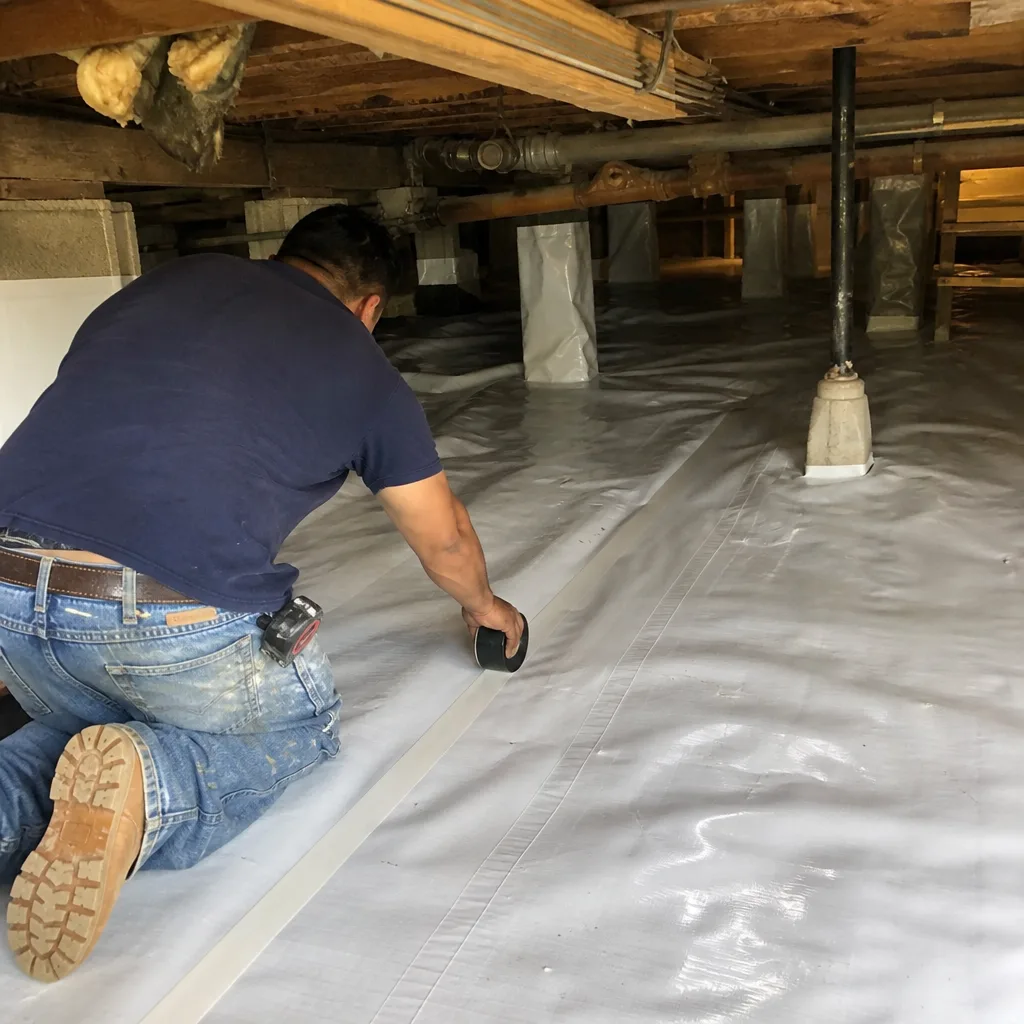
- Upstairs rooms stay hot past 10 p.m. In a properly functioning system, the radiant barrier reflects solar heat before it radiates into the attic space. When the foil oxidizes, tears, or gets coated with dust from disturbed GreenFiber cellulose, that heat storage extends well into evening. We measure this with an infrared thermometer; a 15°F differential between attic air and roof deck at 9 p.m. usually means the barrier is compromised.
- GreenFiber cellulose has settled below top plate level. Blown-in cellulose settles 15-20% over time, but if it’s fallen below the wall top plates in your Pasadena attic, it’s no longer forming a continuous thermal boundary with the radiant barrier above. This is common in homes near the Arroyo Seco where seasonal humidity swings accelerate settling.
- Visible dust streaks on the radiant barrier surface. Clean foil reflects up to 97% of radiant heat; dusty foil reflects less than 50%. In Pasadena’s Santa Ana wind events, fine particulates blow through ridge vent gaps and coat upward-facing barriers. We see this most in homes without soffit baffles or with improperly screened vents.
- Water stains on the radiant barrier or roof deck. A perforated radiant barrier installed wrong-side-up acts as a vapor trap. In older Pasadena homes with original knob-and-tube wiring still present in attics, this moisture can accelerate insulation degradation and create a genuine safety hazard. We flag this immediately and recommend electrical evaluation before any insulation work proceeds.
- Hot spots on your ceiling during summer afternoons. Use an infrared thermometer or even the back of your hand near ceiling fixtures. Localized heat indicates either a missing radiant barrier section, compressed GreenFiber at that point, or both. In the Craftsman homes along Orange Grove Boulevard, we often find original radiant barriers cut around chimney flues with no patching afterward.
Replacement Cost & What’s Included
Most GreenFiber radiant barrier replacements in Pasadena run $2,800-$4,200 for attics between 1,200 and 2,500 square feet. The lower end covers rolled barrier replacement with existing GreenFiber left in place and supplemented; the upper end includes partial GreenFiber removal, air sealing of top plates and penetrations, new barrier installation with proper ventilation gaps, and blown-in cellulose to original R-value specification.
What drives the range: attic accessibility (truss spacing, headroom, whether there’s a permanent floor), the condition of existing GreenFiber (removal adds $400-$800), and how much air sealing is needed before the barrier goes in. We never blow new material over an unsealed attic floor; that’s Haven Standard Clause 1, and it’s non-negotiable. Every job gets a written price before work starts, a Documented Photo Record, and on applicable jobs, before-and-after blower-door numbers so you see the actual air-leakage reduction. The 365-Day Done Right Promise covers all completed work.
DIY or Call Us?
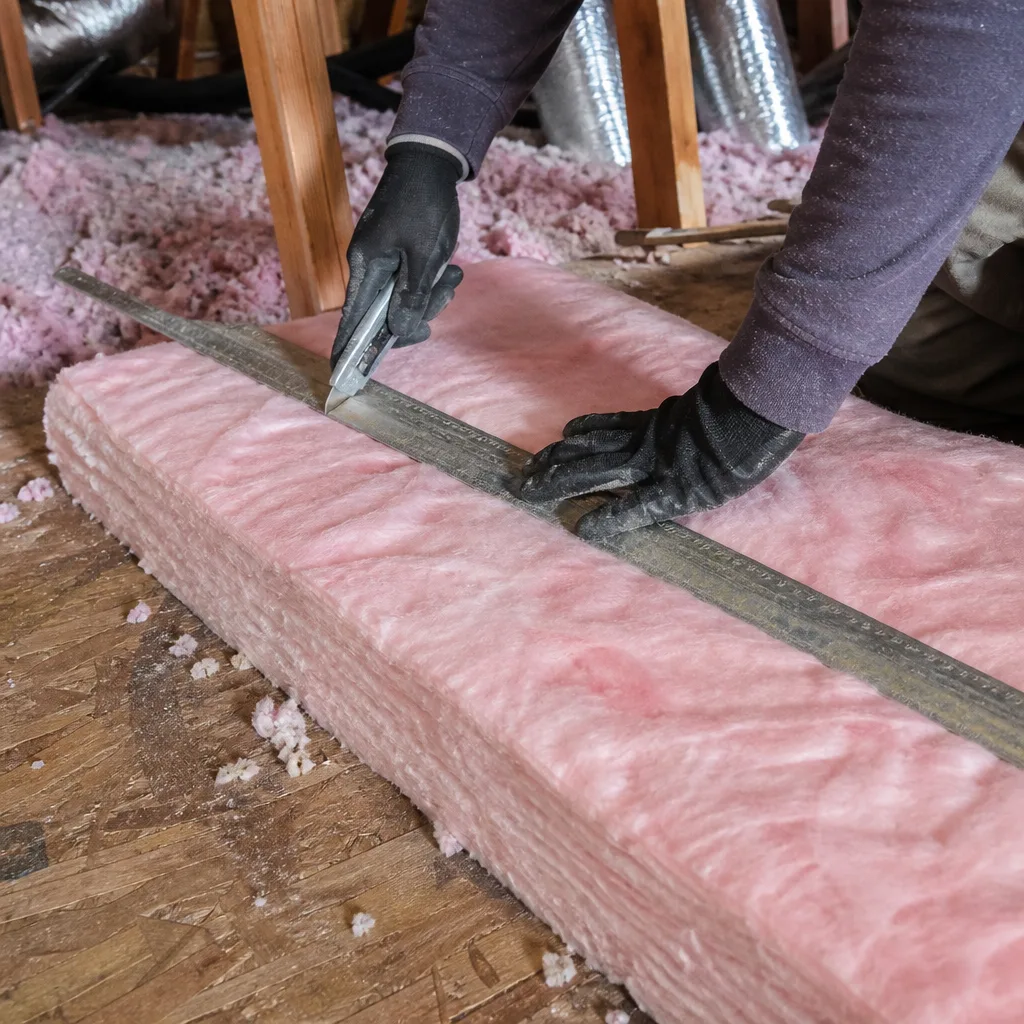
There’s no high-tension danger in radiant barrier work, but there are ways to make your home perform worse than when you started. A homeowner can safely check: whether the barrier is clean and intact, whether GreenFiber coverage is continuous across the attic floor, and whether soffit vents are blocked. Use a flashlight, not your hands, near any electrical wiring.
Where DIY goes wrong: installing a non-perforated barrier without accounting for vapor drive (Pasadena’s winter rains plus summer cooling loads create real moisture risk), compressing the required air gap with new insulation, or disturbing old wiring in the process. We’ve also found homeowners who stapled radiant barrier directly to the attic floor, which does exactly nothing useful. If your attic has any knob-and-tube wiring, don’t enter it; call us. Seal the leaks first. Then insulate. The numbers will tell you why.
For a written price on your specific attic, call (213) 816-5351. Estimates are free, and we stock GreenFiber-compatible materials and radiant barrier substrates on every truck.
FAQs
In Pasadena’s climate, a properly installed perforated radiant barrier lasts 20-25 years before oxidation reduces reflectivity below useful levels. Dust accumulation is the earlier threat; without soffit baffles and proper vent screening, performance degrades measurably within 7-10 years. Call (213) 816-5351 for an attic inspection and we’ll show you what yours looks like with a thermal camera.
Small tears or gaps can be patched with matching foil tape if the surrounding barrier is clean and structurally sound. If oxidation is widespread, if the GreenFiber below has settled significantly, or if the original installation lacked proper air gaps, partial repair is false economy. We document both options with photos so you decide from evidence, not pressure.
Most residential jobs in Pasadena finish in one day, assuming standard attic access and no hazardous material concerns. Jobs requiring GreenFiber removal, extensive air sealing, or electrical coordination before barrier installation may extend to a second day. We give you a written schedule with the written price, so you know before we start.
Yes. We carry GreenFiber cellulose, Fi-Foil and AtticFoil radiant barrier substrates, compatible fasteners, and vent baffles on every truck. We’re an independent service provider, not affiliated with GreenFiber, and we also stock Reflectix products for homeowners who prefer that substrate. Same-day installation is available for most standard configurations.
Written by Wes Okafor, Owner, Topside Attic Insulation Pasadena at Topside Attic Insulation Pasadena, serving Pasadena and nearby areas.