
GreenFiber Vapor Barrier Installation: The Pasadena Owner’s Guide
We stock and install GreenFiber-compatible vapor barrier systems in Pasadena homes, with most crawl space or attic floor jobs running between $1,800 and $3,400 installed depending on square footage and whether the existing barrier needs full removal. Same-day starts are available when we have your dimensions and photos before arrival. Most Pasadena homeowners discover their vapor barrier has failed when they notice a sharp musty smell after winter rains, find condensation droplets on the barrier’s underside, or spot mold blooming on floor joists during a routine HVAC filter change in the crawl space.
Which GreenFiber Models This Applies To
GreenFiber does not manufacture vapor barriers as a standalone branded product line; instead, their loose-fill cellulose insulation and stabilized insulation products are designed to work with third-party vapor retarders and barriers installed beneath or above the insulation layer. In Pasadena homes built between 1940 and 1980, we most commonly find GreenFiber cellulose paired with 6-mil polyethylene sheeting or cross-laminated vapor barriers that were cut to fit between joists or laid as a continuous ground cover in crawl spaces.
To identify what you’re working with: look for a printed mil rating on the plastic sheeting (3-mil, 6-mil, or 10-mil), check whether seams were taped with acrylic or butyl tape, and note whether the barrier is black, clear, or reinforced with a woven scrim. GreenFiber’s stabilized cellulose, which contains a small percentage of adhesive to reduce settling, performs poorly if the vapor barrier below it has torn at plumbing penetrations or rodent entry points - the adhesive binder can wick moisture from a compromised barrier and form dense, clumped pockets that lose R-value.
We source replacement barriers from multiple manufacturers including GreenFiber-compatible polyethylene and reinforced scrim products, not proprietary lock-ins. Topside Attic Insulation Pasadena is an independent service provider with no affiliation to GreenFiber.
Signs Your GreenFiber Vapor Barrier Installation Is Failing
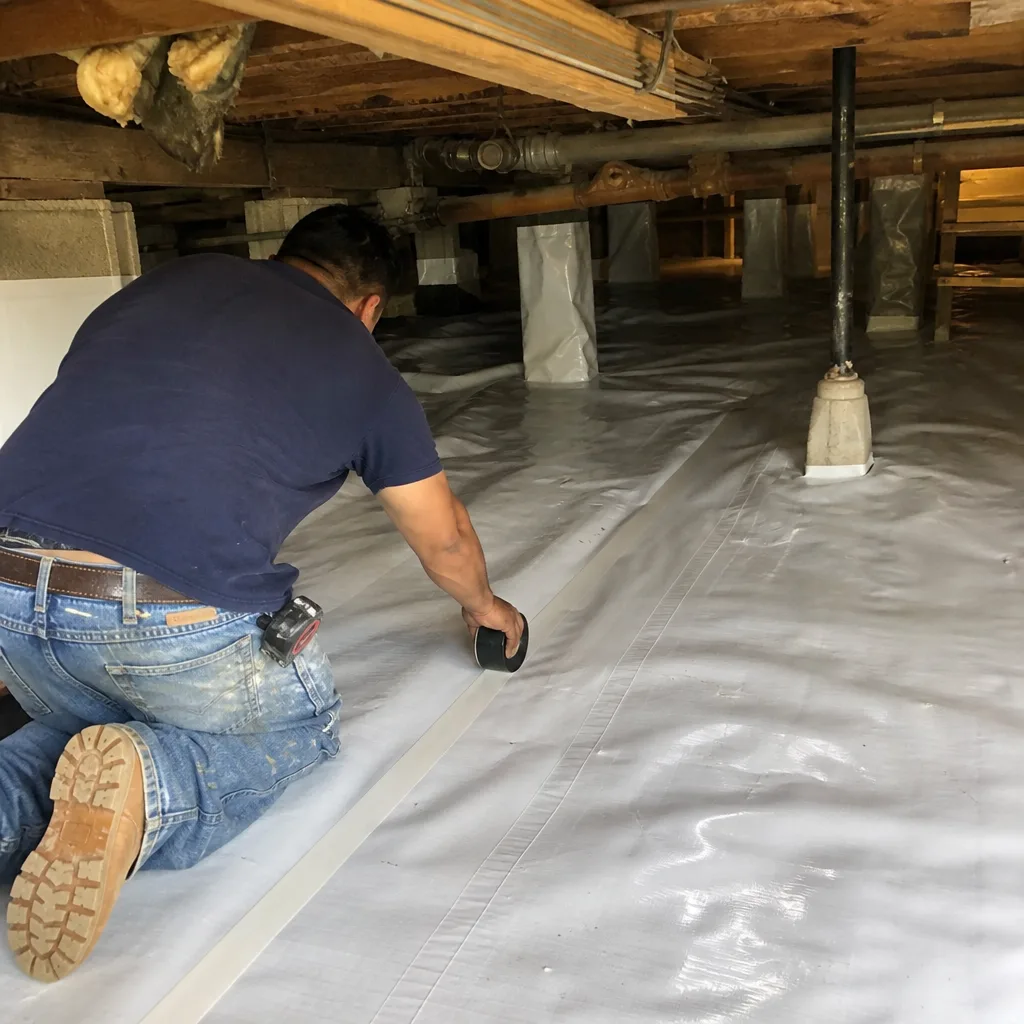
- Condensation pooling on the barrier surface. In Pasadena’s winter months, when overnight lows drop into the 40s and soil temperatures stay warmer, a torn or improperly lapped vapor barrier lets warm, moist soil air hit the cooler subfloor. The resulting condensation is often mistaken for a plumbing leak until a technician confirms the water is collecting on top of the plastic, not beneath it.
- Musty odors that worsen after rain. Pasadena’s clay-heavy soil in neighborhoods like Linda Vista and the Chapman Woods area holds moisture for days after a storm. A compromised barrier lets that humidity migrate upward into floor insulation and framing, creating the damp-earth smell that HVAC return ducts pull through the house.
- GreenFiber cellulose clumping or discoloration. When the vapor barrier fails, GreenFiber’s stabilized cellulose - which uses a water-based adhesive binder - can absorb enough moisture to form dense, gray-green clumps that settle to half their installed depth. We’ve pulled back insulation in Pasadena crawl spaces where the original R-30 had compressed to an effective R-12 because the barrier beneath it had rodent holes the size of a softball.
- Visible mold on floor joists or subfloor. Black or white mold growth on the wood above a vapor barrier almost always means the barrier is no longer blocking soil moisture. In Pasadena’s older homes near the Arroyo Seco, we see this where original 3-mil barriers have degraded to brittle shards after 15-20 years of UV exposure from crawl space vents.
- Increased energy bills with no HVAC explanation. Wet insulation conducts heat faster than dry insulation. When a vapor barrier fails and GreenFiber cellulose absorbs moisture, the effective R-value drops and your furnace or heat pump works harder to maintain setpoint. The blower-door test - a pressurization reading that shows, in one number, how much air your building envelope is losing - won’t catch this, but an insulation inspection with a moisture meter will.
Replacement Cost & What’s Included
Most full vapor barrier replacements in Pasadena crawl spaces run $1,800-$3,400 for homes between 1,200 and 2,400 square feet, with attic floor applications typically falling at the lower end of that range. The price includes removal of the existing degraded barrier, disposal, installation of new 10-mil reinforced polyethylene with overlapped and taped seams, sealing around all penetrations with acoustic sealant, and a post-installation photo record.
What drives the range: crawl space height (less than 18 inches requires additional labor), whether rodent damage has compromised insulation that must also be removed, and the condition of existing pier and beam supports that may need temporary protection during work. We also offer GreenFiber cellulose replacement or topping if your existing insulation has settled or moisture-damaged beyond recovery.
Every job gets a Written Price Before Any Work Starts under Haven Standard Clause 1, with a flat price, written scope, and written warranty delivered before anyone lifts a tool. The 365-Day Done Right Promise applies to all vapor barrier work, and we publish before-and-after documentation so you can verify what was done.
DIY or Call Us?
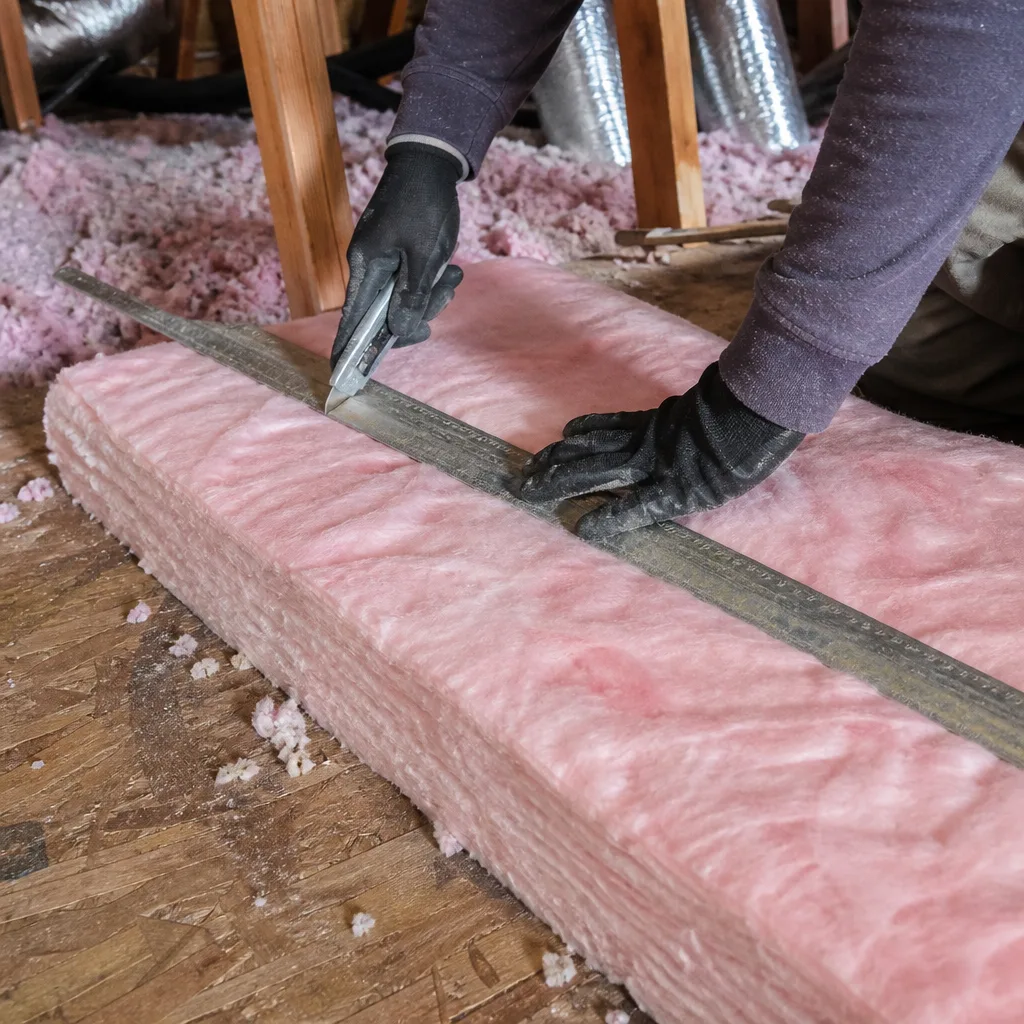
There’s a short list of what a Pasadena homeowner can safely check without entering the crawl space: confirm your crawl space vents are open or closed seasonally as appropriate, look for standing water near the foundation that might be saturating soil beneath the barrier, and note any new odors after rain. Do not enter a crawl space with visible mold, standing water, or compromised structural supports.
Where DIY goes wrong: vapor barrier installation looks like laying plastic, but the failure points are at seams, penetrations, and the perimeter termination. Untaped overlaps lift within a season. Plumbing penetrations cut too tight tear when pipes expand and contract. The 6-inch minimum overlap at seams is non-negotiable, and in Pasadena’s seismic zone, piers shift enough that rigid termination methods fail. We also check blower-door numbers before and after any envelope work - a pressurization reading that shows whether your air sealing is performing as designed. Call (213) 816-5351 for a free estimate with upfront pricing.
FAQs
A properly installed 10-mil reinforced vapor barrier in a ventilated Pasadena crawl space typically lasts 15-20 years, though 3-mil or 6-mil products without scrim reinforcement often fail in 8-12 years due to UV degradation through vents and rodent activity. In neighborhoods with heavier clay soil and poor drainage, like portions of East Pasadena, moisture exposure can accelerate breakdown at seams and penetrations. Call (213) 816-5351 for an exact quote on replacement - estimates are free.
Small punctures or tears under two inches can be patched with acrylic tape and a scrap of matching polyethylene, but widespread degradation, lifted seams, or brittle plastic that shatters when touched means full replacement is the only lasting fix. We’ve inspected Pasadena crawl spaces where homeowners applied duct tape to seams that failed again within six months because the adhesive broke down in soil moisture. Call (213) 816-5351 for an exact quote - estimates are free.
Most residential crawl spaces in Pasadena are completed in one working day, with larger homes or those requiring insulation removal and replacement extending to a second day. We arrive with materials on the truck, including GreenFiber-compatible barriers and reinforced scrim products, so there’s no waiting on delivery. Call (213) 816-5351 to schedule - we stock what we install.
Yes - we carry 10-mil reinforced polyethylene, cross-laminated scrim barriers, and compatible seam tapes on every Pasadena service vehicle, along with acoustic sealant and mechanical fasteners for various foundation types. We also stock Reflectix radiant barriers for applications where combined moisture and heat control is needed. Call (213) 816-5351 to confirm availability for your specific crawl space or attic floor configuration.
Seal the leaks first. Then insulate. The numbers will tell you why.
Wes Okafor and the crew at Topside Attic Insulation Pasadena have been in attics and crawl spaces from Bungalow Heaven to the older Craftsmans along Pasadena’s Orange Grove corridor, pulling back settled cellulose and reading blower-door numbers that explain exactly why a utility bill keeps climbing. We source materials from GreenFiber, Owens Corning, Johns Manville, Knauf, Rockwool, CertainTeed, Icynene, Demilec, and Reflectix - no proprietary product lock-in.
Written by Wes Okafor, Owner, Topside Attic Insulation Pasadena at Topside Attic Insulation Pasadena, serving Pasadena and nearby areas.