
Icynene Attic Insulation: The Pasadena Owner’s Guide
We stock and install Icynene-compatible open-cell and closed-cell spray foam insulation for Pasadena attics, with most residential retrofits running between $2,800 and $5,400 depending on the conditioned square footage and whether the existing insulation needs removal first. Same-day installation is available when we have your attic dimensions and photos by 10 a.m., which happens more often than you’d think in a market this size. Most Pasadena homeowners realize their Icynene insulation is underperforming when the second-floor bedrooms won’t cool below 78 degrees in July, or when they pull back a section near the eaves and find the foam has pulled away from the top plates, leaving a gap that lets attic air wash straight into the wall cavity.
Which Icynene Models This Applies To
Icynene’s product line breaks into two families that behave differently in Pasadena’s dry heat and occasional Santa Ana temperature swings. The open-cell LD-C-50 series, common in pre-2018 installs across Bungalow Heaven and the Madison Heights area, runs about 3.5 inches in a standard lift and is meant to be applied directly to the roof deck for a conditioned attic. The closed-cell H2Foam Lite series, which we see more often in the newer construction up toward Hastings Ranch, is denser, about 2 inches per pass, and rated for continuous exterior exposure if needed.
To identify what you have, check the job documentation from your original installer. Icynene requires its certified applicators to leave a product data sheet and a thickness log; the LD-C-50 will read “0.5 lb/ft³ density” and the H2Foam Lite will show “2.0 lb/ft³.” If you don’t have the paperwork, measure the foam itself with a ruler at a cut edge. Open-cell feels spongy and returns slowly when pressed; closed-cell is rigid like stale bread. We are an independent service provider, not affiliated with Icynene, so we carry both OEM-spec replacement foam and compatible aftermarket equivalents from Demilec and CertainTeed that match the thermal performance without locking you into a single supplier. One compatibility gotcha: LD-C-50 applied before 2015 may have been sprayed over kraft-faced fiberglass batts, which creates a double vapor retarder that traps moisture. We check for that before we quote, because spraying new foam over the old without addressing it can rot your roof deck in three to five years.
Signs Your Icynene Attic Insulation Is Failing
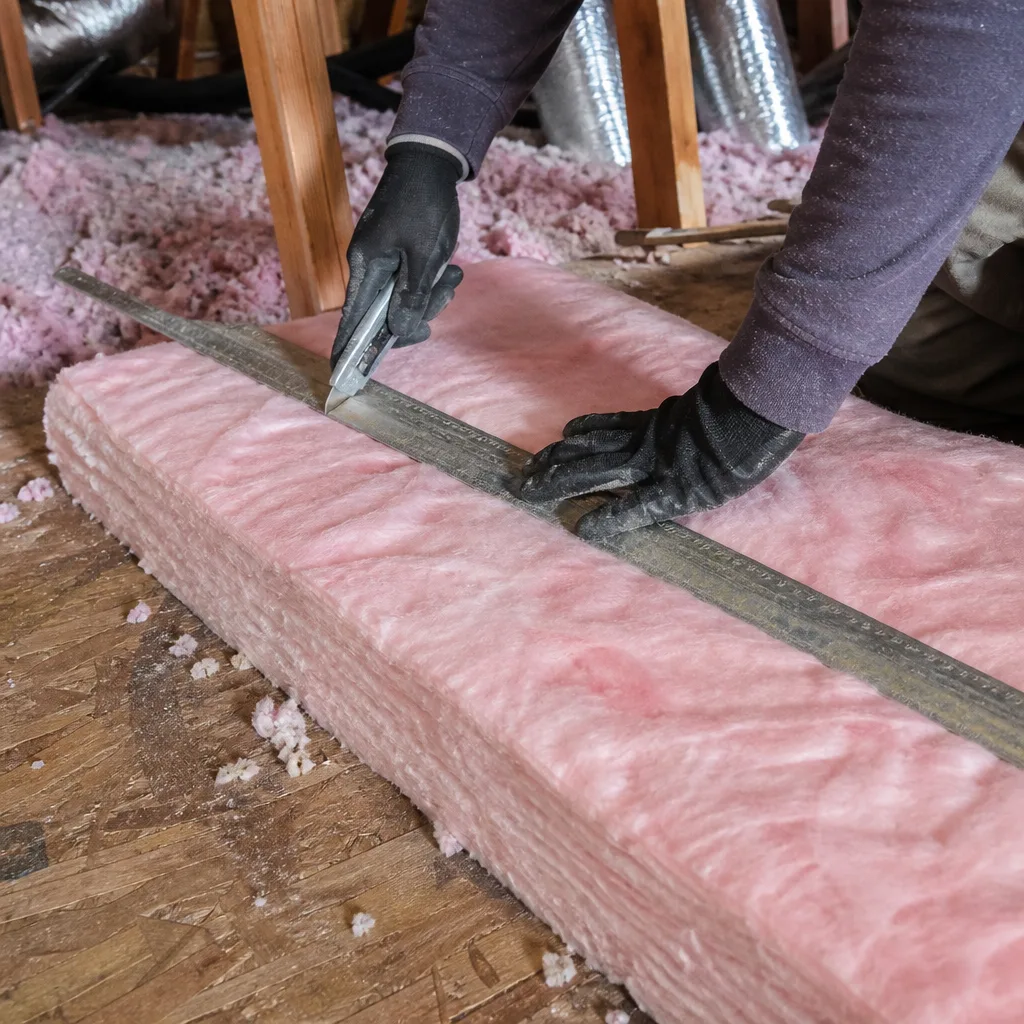
- Uneven indoor temperatures between rooms. The foam has shrunk or delaminated from the substrate, creating thermal bypasses. In Pasadena’s older homes near the Orange Grove corridor, we often find this where the roof deck meets the top plate, because the wood movement from decade-to-decade seasons broke the foam bond.
- Musty smell from ceiling registers or attic hatches. Open-cell foam is vapor permeable by design, but if the application thickness was skimped or the substrate wasn’t clean, airborne moisture can reach the cold roof deck and condense. The result is slow mold growth you smell before you see.
- Ice damming or heavy frost on nails in winter. Even in Pasadena, a cold snap can reveal inadequate R-value. If the foam thickness is below the labeled depth, or if the installer missed a section near the ridge vent, warm moist air hits cold metal and condenses. The nails look frosted, and the drywall below them stains.
- Visible crumbling or yellowing foam. UV exposure degrades Icynene rapidly. Any foam left exposed in an attic with a missing hatch cover, or in a gable vent line-of-sight, turns from cream to amber and begins to powder. We replace an average of 40 square feet of sun-damaged foam per year in Pasadena homes with incomplete attic sealing.
- Utility bills climbing year over year with no rate change. The foam hasn’t failed structurally, but the home’s air leakage has overwhelmed it. This is the most common call we get: the Icynene is intact, but the top plates, can lights, and duct boots were never sealed, so the conditioned air escapes around the insulation rather than through it.
Replacement Cost & What’s Included
Most Icynene attic insulation replacements in Pasadena fall between $2,800 and $5,400 installed. The low end covers a partial retrofit, typically 400 to 600 square feet of roof deck where the original foam has failed, with the existing good foam left in place and sealed at the transition. The high end is a full removal and re-application for a 1,500-square-foot conditioned attic, including HEPA vacuum extraction of the old foam, substrate cleaning, and two lifts of closed-cell to hit R-38.
What drives the range: access difficulty (steep pitches in the Linda Vista area add labor), whether we need to install temporary scaffolding, and the extent of air sealing required before the foam goes in. Every quote from us is a written price before any work starts, per Haven Standard Clause 1. The scope lists square footage, foam type, targeted thickness, and whether blower-door testing is included. We publish before-and-after blower-door numbers on every job where air sealing is part of the scope, so you see the CFM50 reduction in writing. The 365-Day Done Right Promise covers delamination, off-ratio curing, or any thickness shortfall we document in the photo record.
DIY or Call Us?
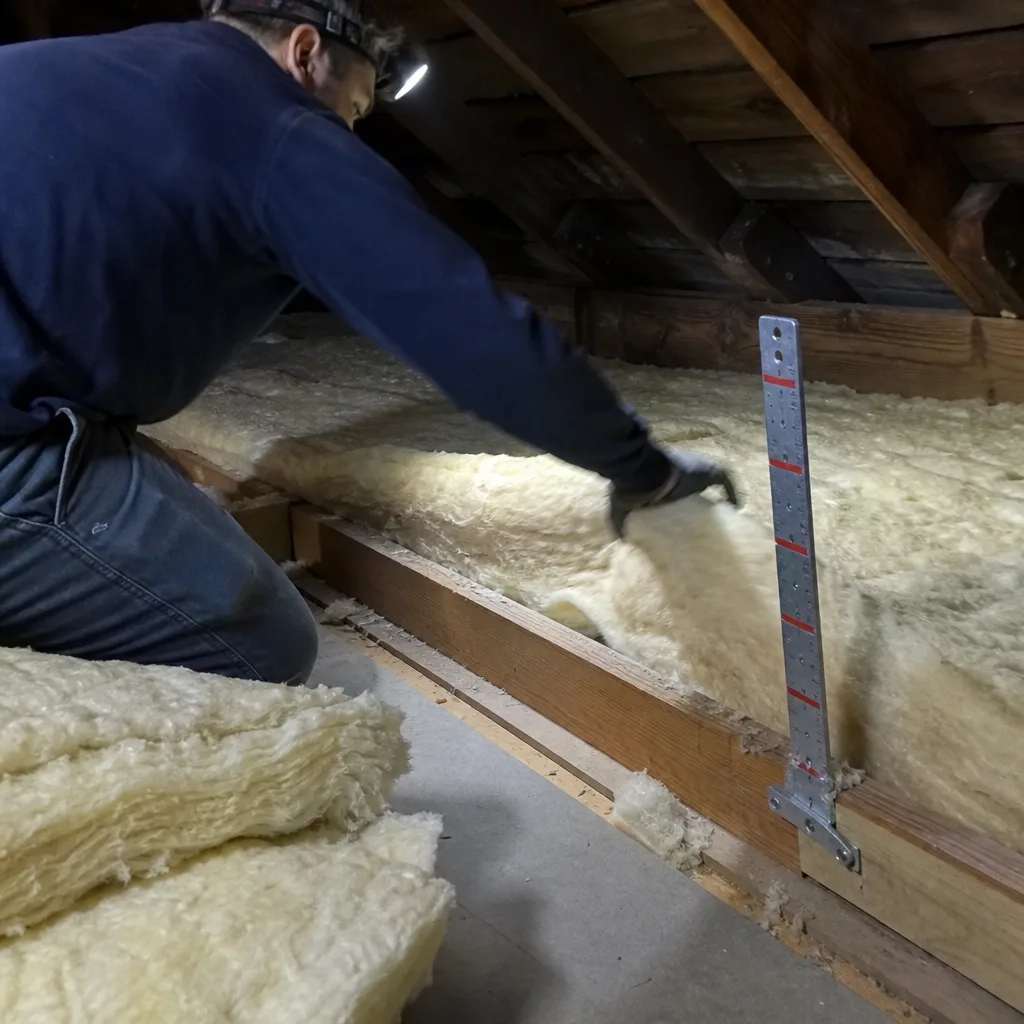
There is one thing a homeowner can safely check: the thickness and condition of visible foam near the attic hatch. Bring a flashlight, a ruler, and a camera. If the foam is visibly degraded, measure three spots and note the color and texture. That documentation helps us quote accurately without a site visit.
Everything else requires a professional. Two-part spray foam is an exothermic reaction that reaches 200°F during cure; off-ratio mixing creates toxic vapor and foam that crumbles in six months. The respiratory hazard is real and immediate, not theoretical. Beyond that, most Icynene failures we see in Pasadena are not foam failures at all; they’re air-sealing failures that only a blower-door test, a pressurization reading that shows in one number how much air your building envelope is losing, can properly diagnose. Seal the leaks first. Then insulate. The numbers will tell you why. Call (213) 816-5351 and we’ll walk through what you found.
FAQs
Properly applied Icynene foam lasts 25 to 30 years in Pasadena’s climate, but UV exposure and roof leaks are the killers we see most. Foam that stays dry and protected by drywall or a radiant barrier ages slowly; foam in a vented attic with a south-facing gable vent can degrade visibly in under 10 years. Call (213) 816-5351 for a free estimate if you’re unsure of your install date.
Localized delamination or shrinkage can be repaired by cutting back to sound foam and spraying a compatible lift, but only if the substrate is dry and the original foam is still well-bonded. We see this work about 30 percent of the time in Pasadena; the other 70 percent needs full removal because the failure pattern is too widespread or the original application was under-thickness. We give a free second opinion on any written estimate you’ve already received.
A partial repair is usually one day; a full attic removal and re-spray is two to three days, plus a fourth day for the blower-door test and any touch-up sealing. We don’t rush the cure time, because walking on uncured foam ruins the cellular structure you paid for. Our crew arrives with the foam rig, HEPA extraction, and the documentation kit; you get a photo record and the blower-door numbers before we leave.
We stock Icynene-compatible open-cell and closed-cell formulations on our Pasadena rig, along with Demilec and CertainTeed equivalents. For standard lift heights and substrates, we can spray the same day we measure. Custom densities or large commercial volumes may need a 48-hour batch order. Call (213) 816-5351 with your attic square footage and a few photos; we’ll confirm availability and give you a written price before any work starts.
Written by Wes Okafor, Owner, Topside Attic Insulation Pasadena at Topside Attic Insulation Pasadena, serving Pasadena and nearby areas.