
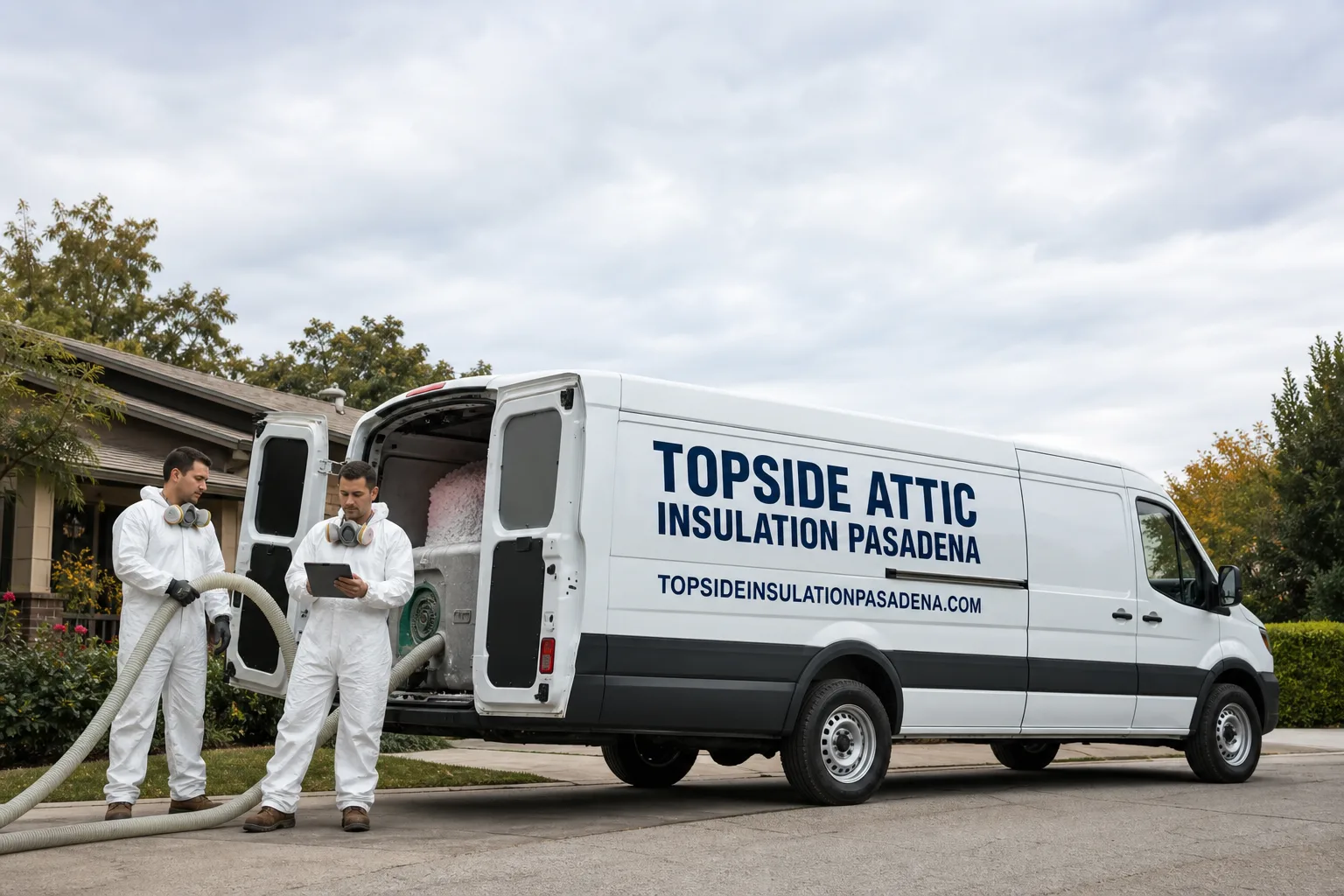
Fast, Reliable Spray Foam Insulation Across West Covina
Spray foam insulation in West Covina typically runs $2,800-$6,500 for a complete attic treatment on a standard 1,200-1,800 square foot ranch home, with most jobs scheduled within 48 hours and completed in one day. We’re familiar with the specific heat-trap conditions that affect insulation performance in this inland San Gabriel Valley city, from the open-soffit venting patterns in 1960s tracts to the 150°F attic temperatures that bake original batts into dust. Call (213) 816-5351 for a written price before any work starts - that’s Haven Standard Clause 1, no exceptions.
Why Topside Attic Insulation Pasadena Is West Covina’s Preferred Spray Foam Insulation Company
We’ve sealed and insulated more than 9,000 homes since 2016, and a significant share of those have been in the San Gabriel Valley’s pre-Title-24 ranch stock. West Covina homeowners find us because they read the three-star reviews as carefully as the five-star ones, and they notice that we publish blower-door numbers - actual pressurization readings showing how much conditioned air the home was losing before and after our work.
Our crews serve West Covina locally, with dispatch and scheduling coordinated from our Los Angeles office. Response time to most West Covina neighborhoods - Woodside, Cameron Park, the South Hills area - is typically same-day or next-day for estimates. Calls are answered by a live person 24/7; no voicemail loops, no callback windows measured in business days.
What builds trust here is specificity. We know that a 1965 stucco ranch on West Workman Street faces different envelope failures than a 1973 split-level near South Hills High School. That local knowledge changes what we spec, how we prep, and what we document.
Our Spray Foam Insulation Services in West Covina
Closed-Cell Spray Foam
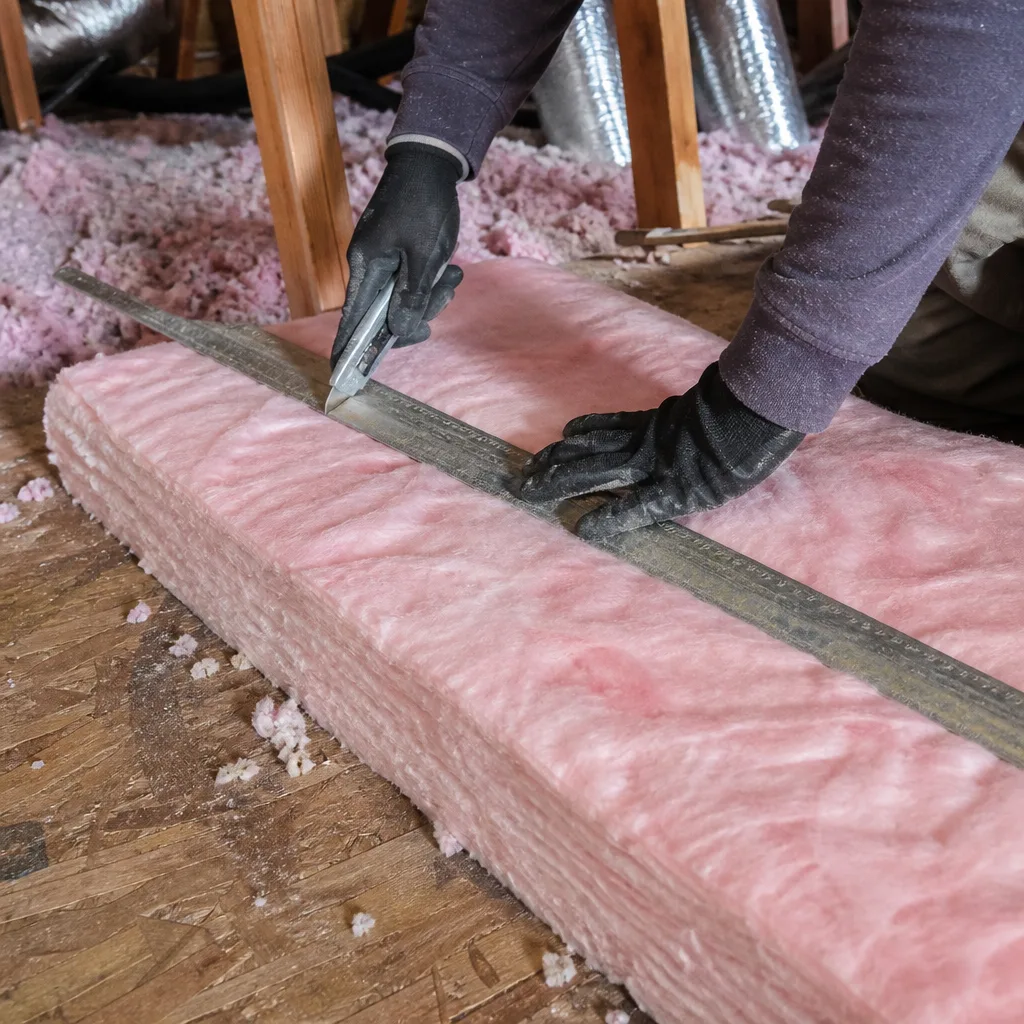
Closed-cell spray foam is our primary specification for West Covina attics because of the extreme thermal cycling these roof assemblies endure. At roughly R-6.5 per inch, it provides the highest R-value per inch available in residential foam, but more importantly for this market, it acts as its own vapor barrier and maintains structural adhesion at sustained temperatures above 150°F. We specify closed-cell for roof deck applications in West Covina’s soffit-only vented homes, where the foam bonds directly to the underside of the sheathing and stops radiant heat from reaching the ceiling drywall. Materials sourced from Owens Corning and Demilec.
Open-Cell Spray Foam
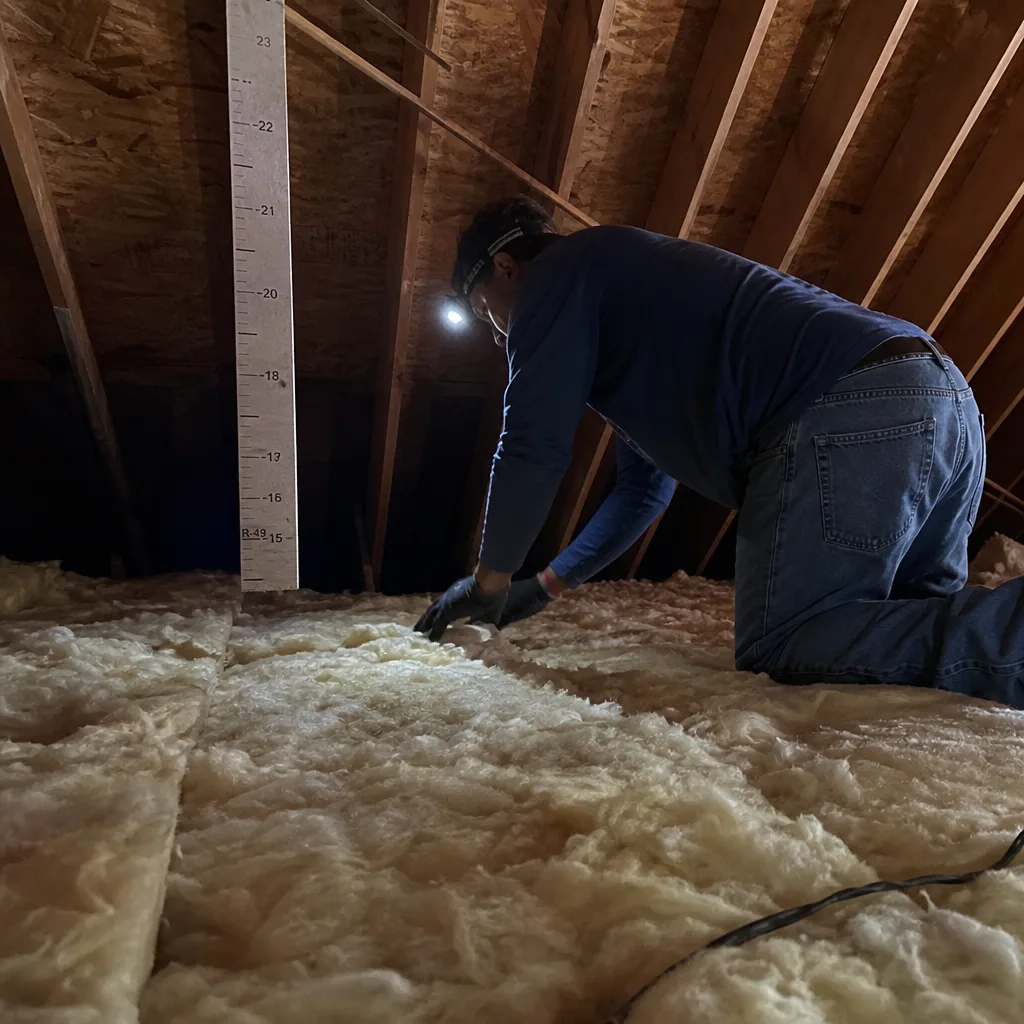
Open-cell spray foam runs lighter and more permeable - roughly R-3.6 per inch - and we use it selectively in West Covina homes where moisture management is already handled and the primary goal is sound dampening or filling irregular cavities at lower cost. It’s not our default for roof decks here because the permeability can allow moisture vapor to reach cold surfaces in winter, but it works well for interior wall applications in ranch homes where we’re supplementing rather than replacing existing envelope performance. We explain the trade-offs in writing before spec’ing it.
Rim Joist Spray Foam
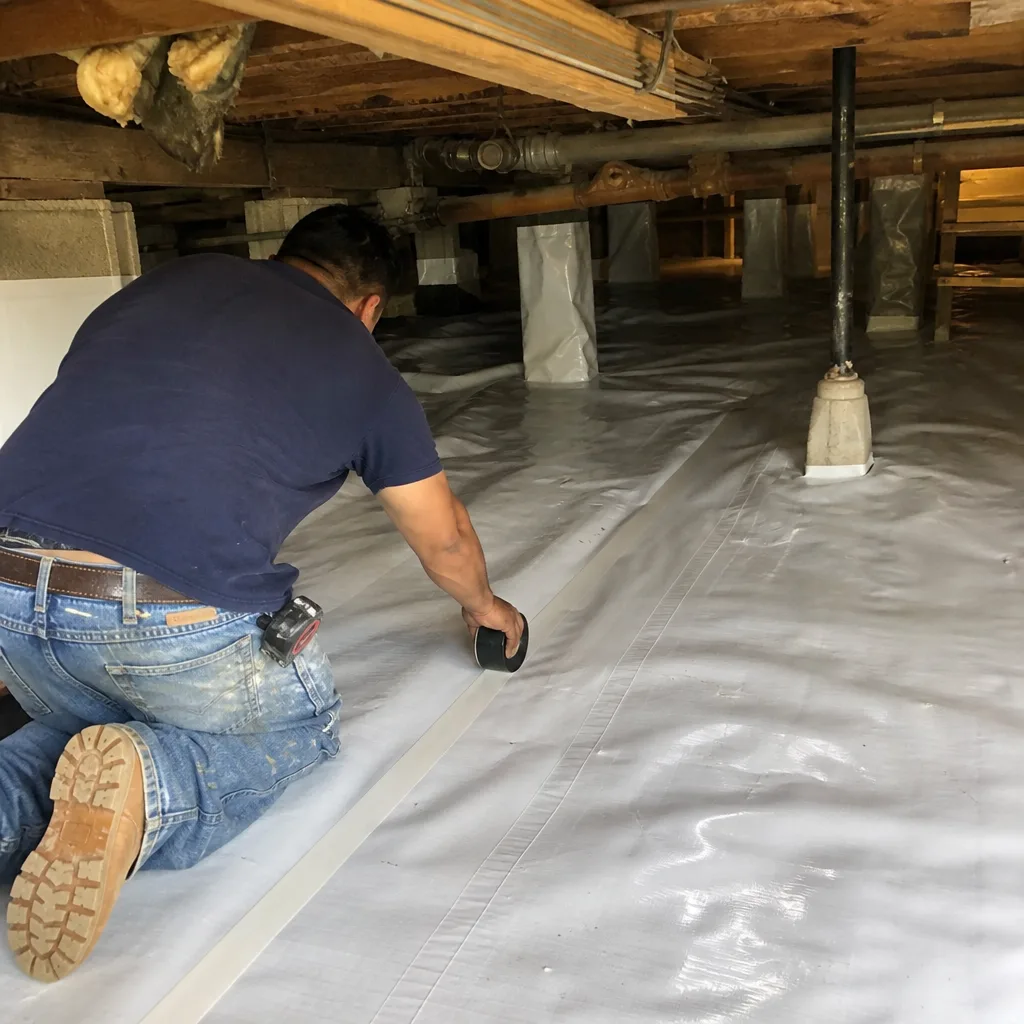
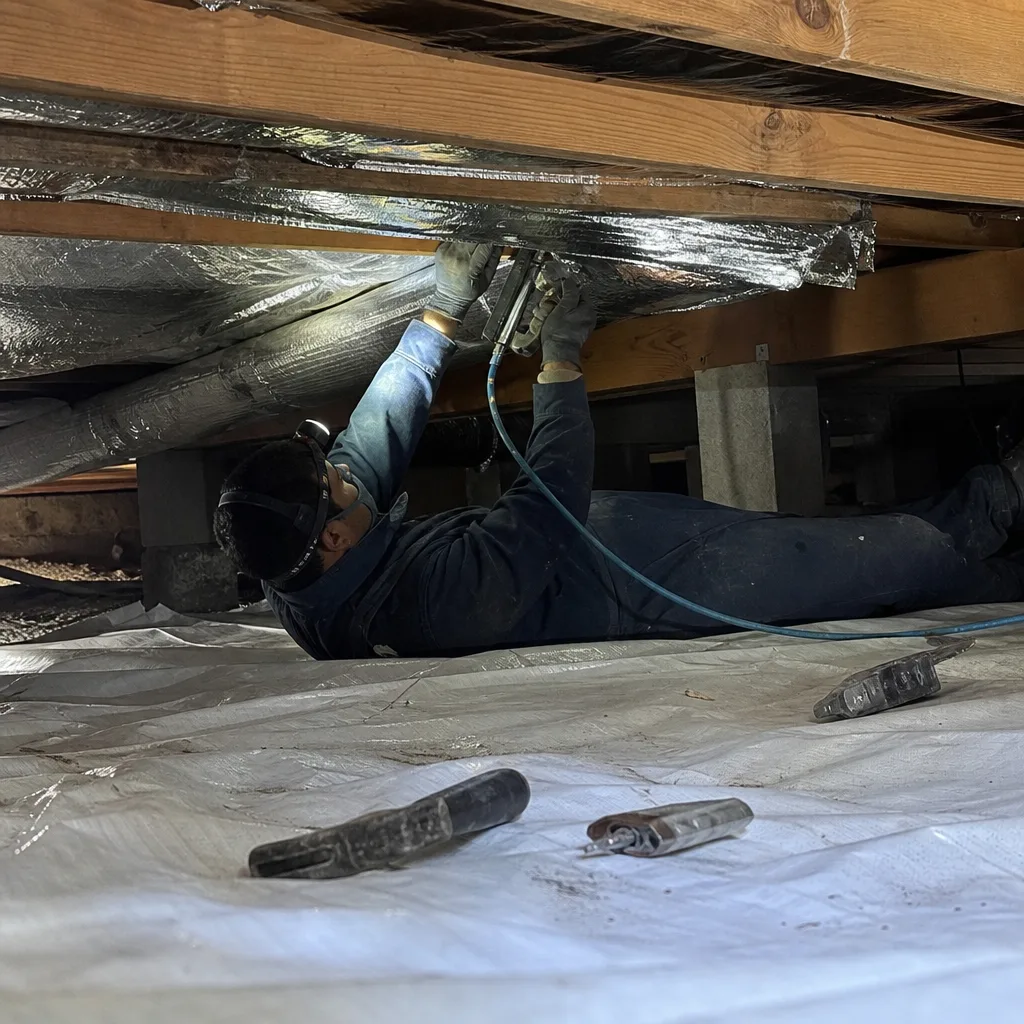
The rim joist - the perimeter band where the foundation meets the first floor - is the single most common air leakage site we find in West Covina’s 1950s-1970s ranches, and it’s almost never insulated in original construction. During Santa Ana wind events, unsealed rim joists pull conditioned air out at surprising rates. We treat this area with closed-cell spray foam to both insulate and air-seal in one application, typically 2-3 inches to achieve R-13+ and block the pressure differential that drives infiltration. Every rim joist job gets a blower-door reading before and after so you can see the CFM50 reduction in the documented record.
Garage Ceiling Spray Foam
West Covina’s attached garages, especially in the Woodside and Cameron Park tracts, often have living space directly above - bedrooms or converted attics - with nothing but a thin layer of drywall between the garage air and the conditioned envelope. Spray foam on the garage ceiling creates a thermal and air barrier that stops exhaust fumes, temperature swings, and fire-code separation issues in one treatment. We see this most often in homes where the original garage was never insulated and the upstairs rooms run 8-12°F warmer than the rest of the house in July.
Spray Foam Roof Deck
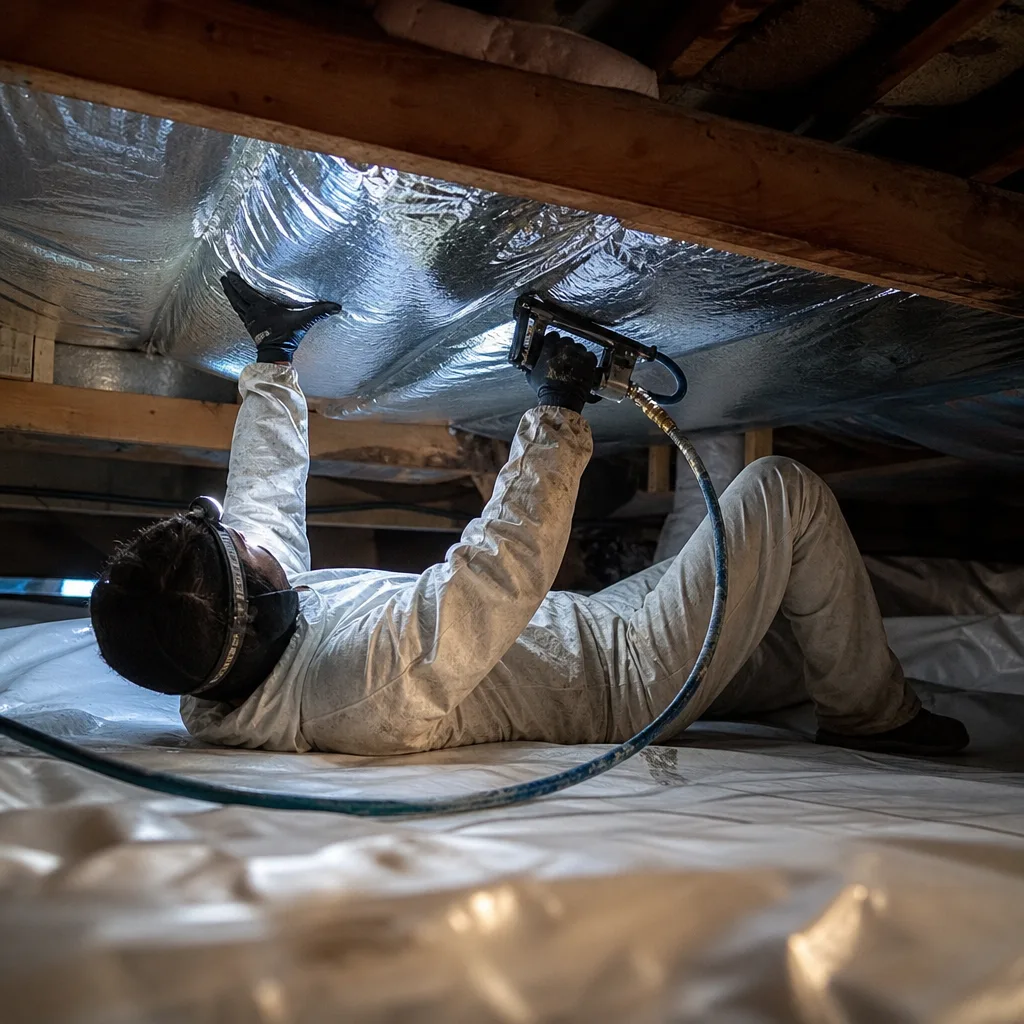
This is the solution for West Covina’s signature venting problem: open soffit vents with no ridge venting, which traps superheated air against the ceiling all summer. Instead of adding more insulation to the attic floor and hoping, we move the thermal boundary to the roof deck itself with closed-cell spray foam, converting the attic to conditioned space and eliminating the heat pocket entirely. It’s a more involved job - typically $4,200-$7,800 for a standard ranch - but it’s the only approach that addresses the root cause in these specific homes. Our Spray Foam Insulation team will walk you through the blower-door targets before we start.
What happens when you call
- 1
A real person answersNo phone trees - you reach a local pro.
- 2
You get an upfront price rangeHonest numbers before anyone is dispatched.
- 3
A background-checked tech heads outLicensed & insured, dispatched right away.
- 4
You approve before work beginsNothing starts until you say go.
Trusted Brands We Service in West Covina
We source spray foam materials from Owens Corning, Johns Manville, Knauf, and other major manufacturers - no proprietary product lock-in that limits your options or inflates your price. For West Covina’s high-temperature attic conditions, we typically spec Owens Corning closed-cell formulations rated for sustained exposure above 180°F, or Johns Manville open-cell where permeability and cost are the priority. We stock common densities and application rates locally, so we’re not waiting on freight when your job is scheduled. Every product carries manufacturer warranty documentation, and our 365-Day Done Right Promise sits on top of that.
Common Spray Foam Insulation Problems We See in West Covina Homes
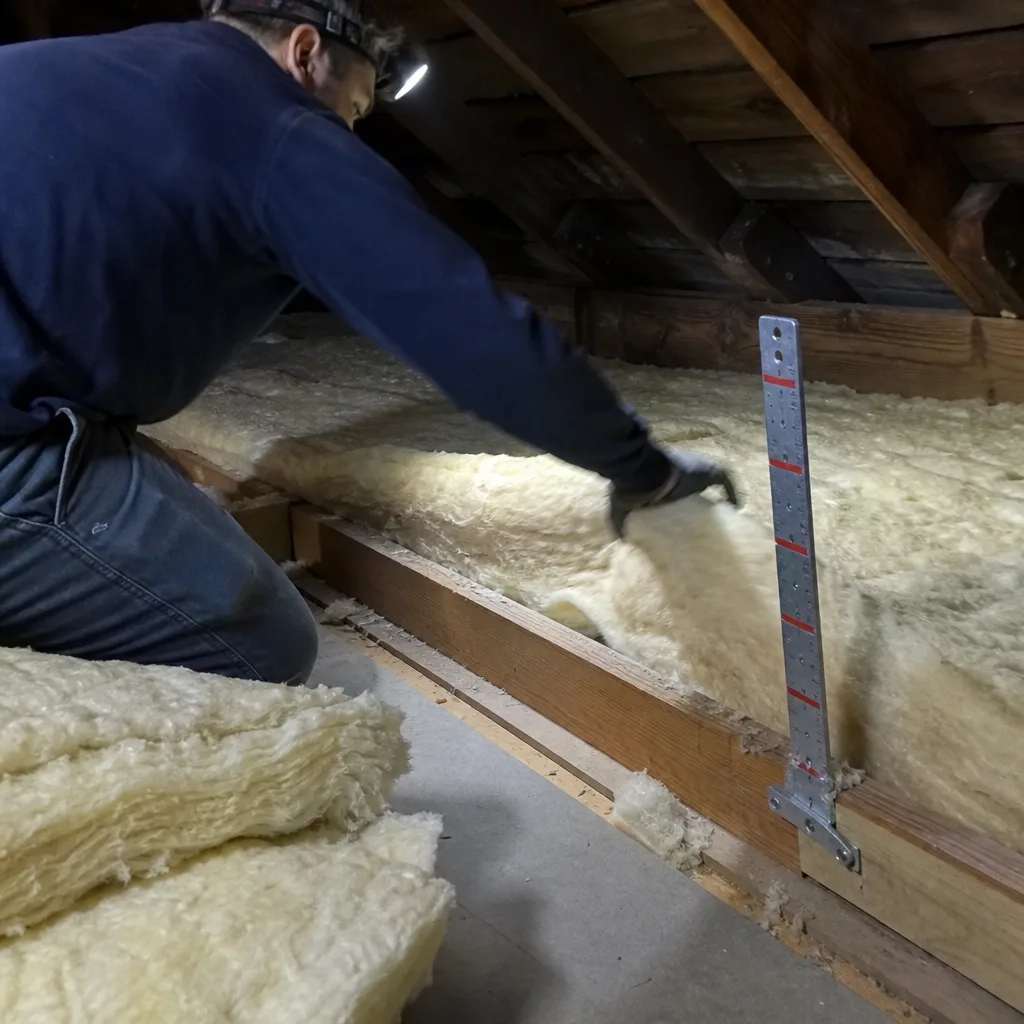
- Brittle kraft facing on original R-11 batts. In West Covina’s 150°F attics, the paper facing on 1960s fiberglass batts turns to dust after five decades of thermal cycling. Spray foam applied over this substrate without removal traps a failing layer that will eventually sag and create voids.
- Heat-trapping from soffit-only venting. Many West Covina tract homes were built with open soffit vents but no ridge venting, creating a static air pocket against the ceiling drywall. Spray foam installed without addressing this imbalance can actually worsen the problem by sealing in superheated air.
- Santa Ana wind degradation of moisture-compromised substrates. Fall Santa Ana events in this inland valley pocket push temperatures up sharply overnight and desiccate any moisture-damaged insulation. Spray foam applied over these dried, unstable surfaces without proper air sealing first will eventually pull away.
- Compacted attic insulation well below rated R-value. Original loose-fill or batt insulation in West Covina’s pre-Title-24 homes has typically settled to effective R-4 or less. Simply spraying foam over this without measuring and documenting the existing condition is poor practice - we remove and start clean.
Pricing for Spray Foam Insulation in West Covina, CA
Most spray foam jobs in West Covina fall into these ranges based on home size and application type:
| Application | Typical Range (1,200-1,800 sq ft ranch) |
|---|---|
| Attic floor (open-cell, over sealed substrate) | $2,800-$4,200 |
| Attic floor (closed-cell, over sealed substrate) | $3,600-$5,400 |
| Roof deck conversion (closed-cell) | $4,200-$7,800 |
| Rim joist only | $1,400-$2,400 |
| Garage ceiling | $1,800-$3,200 |
What moves the number: accessibility of the work area, condition of existing insulation (removal adds $400-$900), whether air sealing of top plates and penetrations is needed first, and product density specified. We never blow insulation over an unsealed attic floor - that’s not an upsell, it’s a prerequisite. Every quote is a written price with a written scope and written warranty before anyone lifts a tool. Free Second Opinion on any written estimate from another contractor. Call (213) 816-5351 to schedule.
We Also Serve Cities Near West Covina
Our crews work throughout the San Gabriel Valley, including West Covina and neighboring La Puente, El Monte, Arcadia, and Temple City. The same Haven Standard applies everywhere: written price first, documented record last, blower-door numbers when applicable.
Serving West Covina, CA - Our Local Coverage Area
We’re based in the West Covina area and know this community well. Use the map below to see our service coverage - if you’re nearby, we can almost certainly help.
FAQs - Spray Foam Insulation in West Covina
West Covina’s inland valley location creates attic temperatures 10-15°F hotter than coastal LA, with summer highs routinely exceeding 100°F and attic conditions past 150°F. That thermal load degrades original insulation faster and drives greater cooling losses, so the performance difference between adequate and excellent envelope sealing is more pronounced here. Call (213) 816-5351 for a written estimate - we’ll show you the blower-door targets specific to your home.
No - we remove them first. In West Covina’s heat-trap attics, the kraft paper facing on those original batts has typically turned brittle and crumbles on contact, and the fiberglass itself has compacted to effective R-4 or less. Spray foam applied over this failing substrate traps a layer that will eventually sag and create voids. We document the removal with photos, air-seal the deck and penetrations, then install foam on a clean, stable surface. The written scope specifies this sequence before work starts.
Yes, and it changes the specification significantly. That venting pattern creates a static heat pocket against your ceiling drywall all summer, which is why we often recommend closed-cell spray foam on the roof deck rather than the attic floor - moving the thermal boundary to convert the attic to conditioned space and eliminate the heat trap entirely. If we do insulate the floor, we first balance the ventilation or the foam will seal in superheated air. We’ll explain which approach fits your roof geometry and budget in the written scope.
Closed-cell for roof decks and rim joists in almost all West Covina homes, because it handles sustained temperatures above 150°F without degradation and provides its own vapor barrier. Open-cell has its place for interior walls or sound-dampening applications where cost is the priority and moisture management is already addressed. We don’t spec by habit - we spec by what the blower-door test and visual inspection show. The written quote will name the product, the thickness, and the R-value target.
Fall Santa Ana events push overnight temperatures up sharply and desiccate any moisture-damaged insulation in this inland valley pocket, accelerating substrate degradation and causing poorly adhered foam to pull away from surfaces that were never air-sealed. We see this most in homes where spray foam was applied over unsealed, moisture-cycled framing. Our prep includes sealing all top plates, can lights, and penetrations before foam goes in, and we verify adhesion with a documented photo record. Call (213) 816-5351 for a free estimate - we’ll read your existing conditions and explain what the Santa Ana pattern means for your specific home.
Written by Wes Okafor, Owner at Topside Attic Insulation Pasadena, serving West Covina since 2016.