
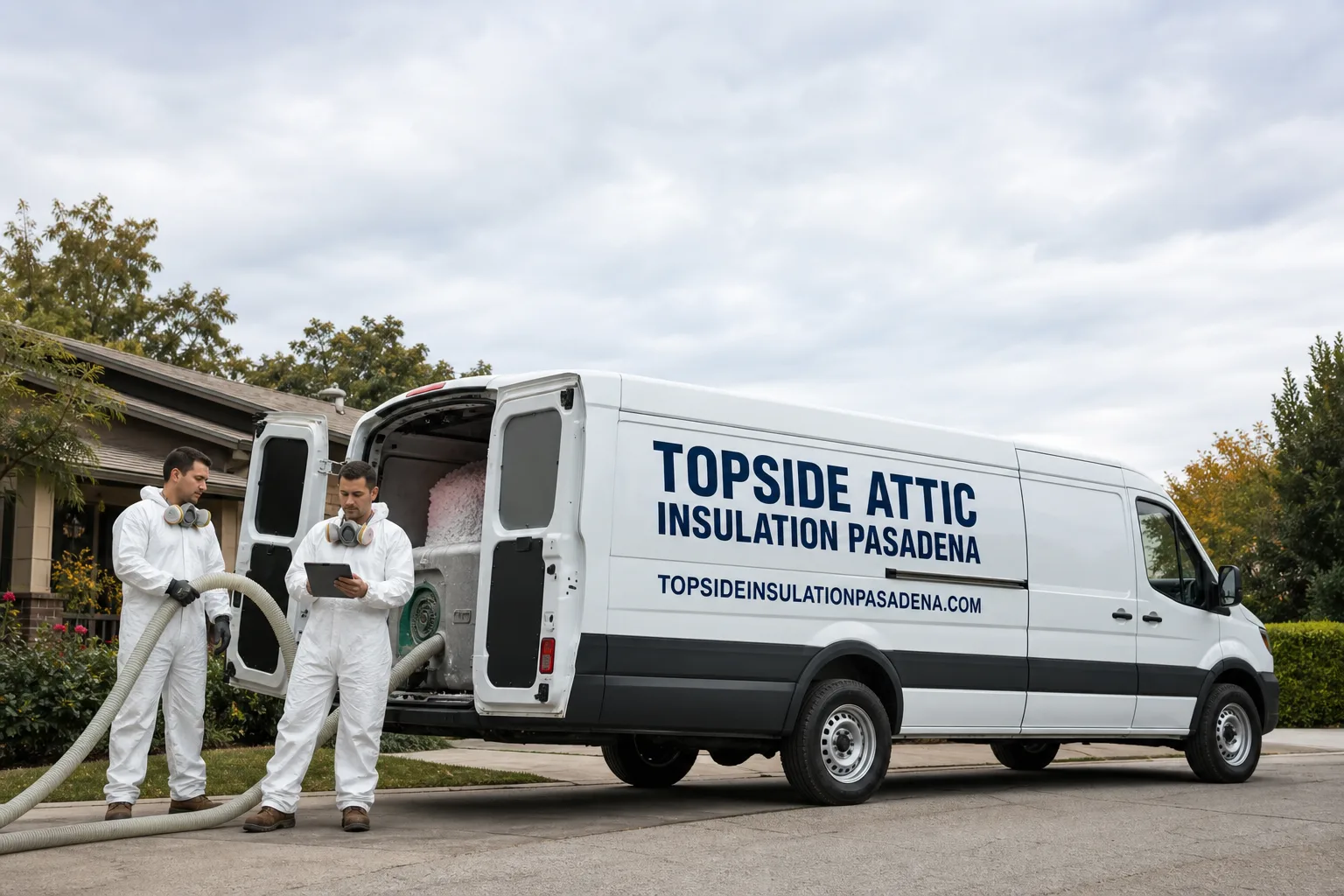
Fast, Reliable Blown-In Insulation Across Whittier
Blown-in insulation in Whittier typically costs $1.80 to $3.40 per square foot installed, with most attic jobs running $2,400-$5,800 and dense-pack wall insulation for a pre-war bungalow ranging $4,200-$8,500. Our crews serve Whittier from our Los Angeles dispatch office, and we carry Owens Corning and Johns Manville materials stocked for same-day starts on approved jobs. Call (213) 816-5351 for a written price before any work starts - that’s Haven Standard Clause 1, no exceptions.
We’ve worked in Uptown Whittier’s craftsman blocks, the postwar ranch rings near Whittier Boulevard, and the hillside streets of Friendly Hills. Each neighborhood presents a different insulation problem because each was built in a different era with different assumptions about what “comfortable” meant. Whittier’s inland position at the base of the Puente Hills means those assumptions broke down decades ago.
Why Topside Attic Insulation Pasadena Is Whittier’s Preferred Blown-In Insulation Company
Our Blown-In Insulation team has completed jobs in every Whittier ZIP from 90601 to 90605, and we return to the same streets for callbacks so rarely that our 365-Day Done Right Promise is mostly a formality. Most Whittier customers find us after reading three-star reviews alongside five-star ones - they want to see how we handle the occasional complaint, and they find documented responses with photo records and follow-up visits.
Response time to Whittier runs same-day or next-morning for standard calls, and our live-answered 24/7 line means you’re talking to a person who can see crew availability in real time, not leaving voicemail for a callback next business day. Wes Okafor built this system after watching too many homeowners wait three days for a return call while their uninsulated attics bled conditioned air.
We know Whittier’s specific building stock: the balloon-frame bungalows with empty wall cavities, the stucco ranches with settled 1960s insulation, the Friendly Hills homes with insulated attics and freezing crawlspace floors. Contractors who don’t walk these neighborhoods regularly miss the patterns. We don’t.
Our Blown-In Insulation Services in Whittier
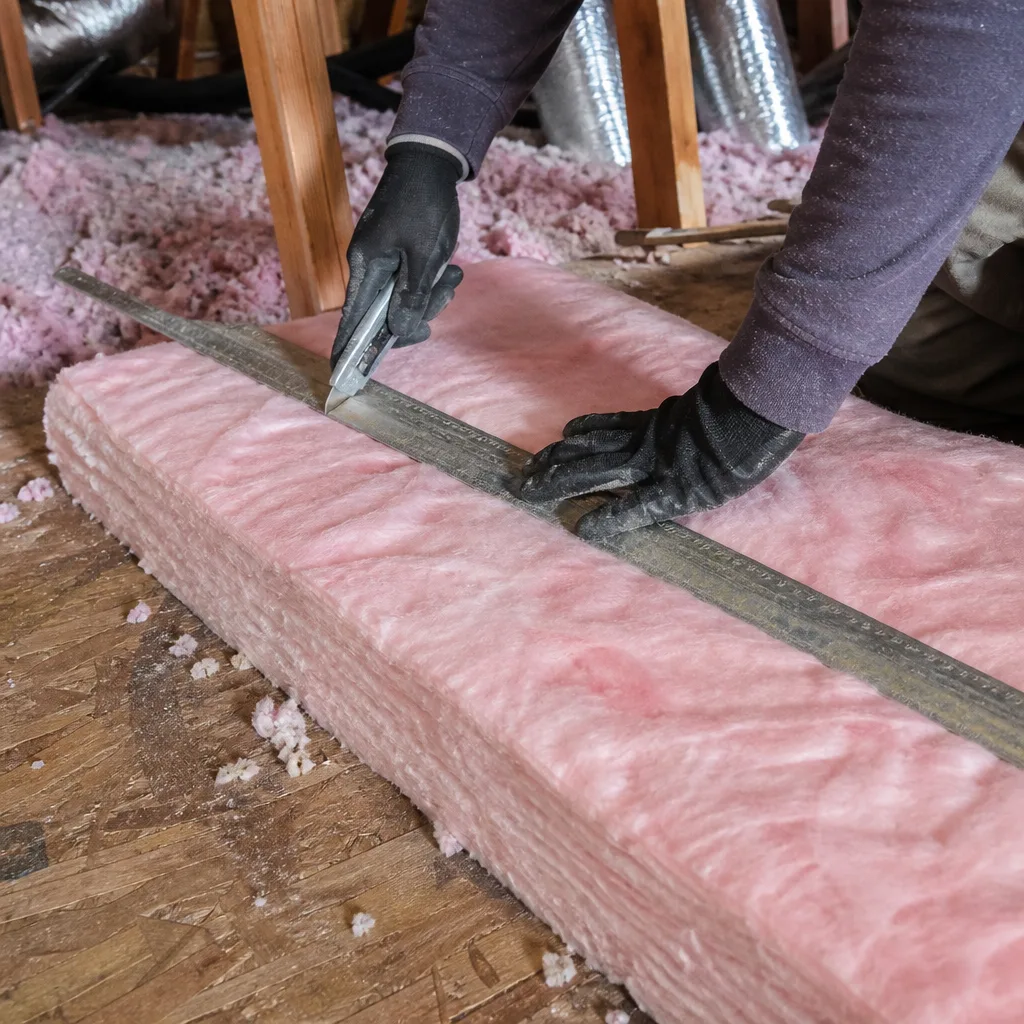
Blown-In Cellulose
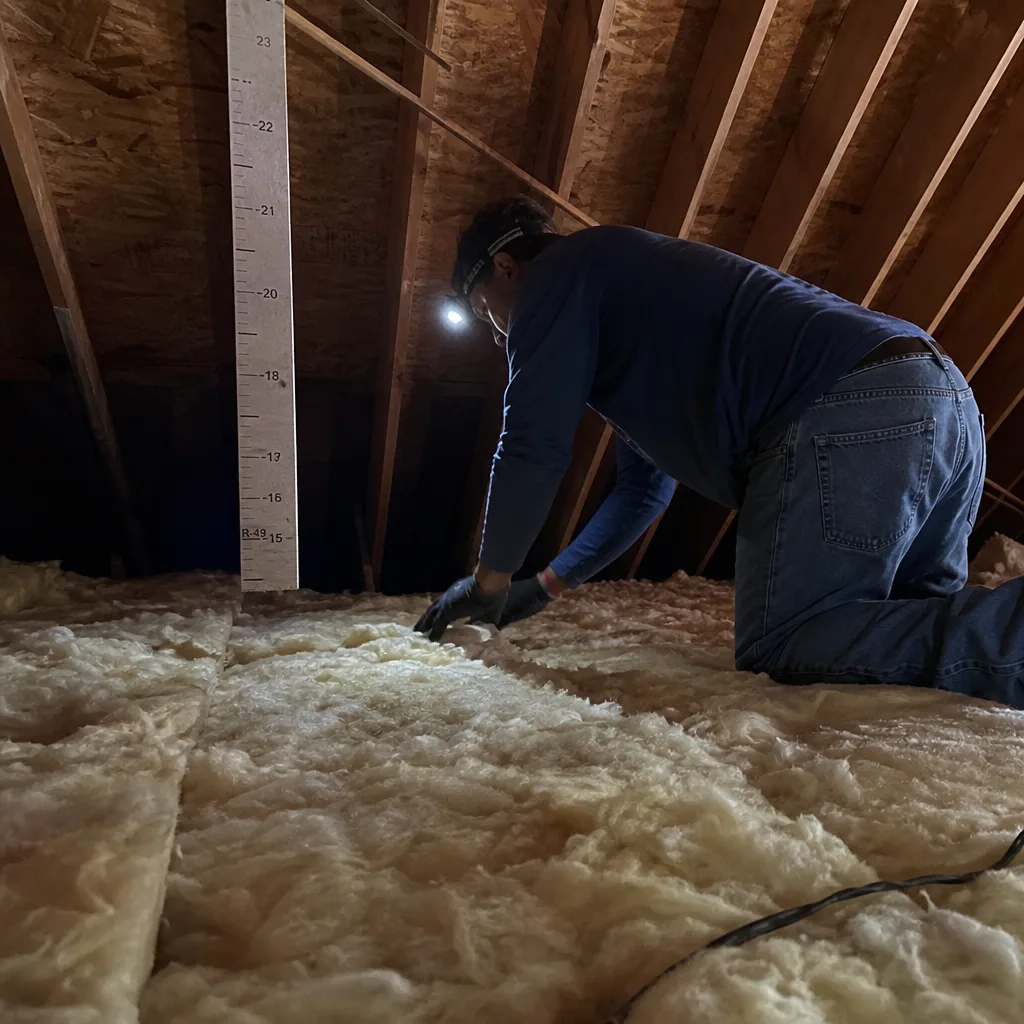
We install GreenFiber cellulose in Whittier attics at R-38 to R-60 depths, depending on joist spacing and access. Cellulose performs well in Whittier’s heat corridor because it handles the temperature swings between 100°F summer afternoons and 45°F winter mornings without the thermal drift you see in older fiberglass. Our crew treats it as a system component, not a dump-and-leave product: we dense-pack it around top plates, seal can-light penetrations first, and run a blower-door test before and after so you see the CFM50 change in writing.
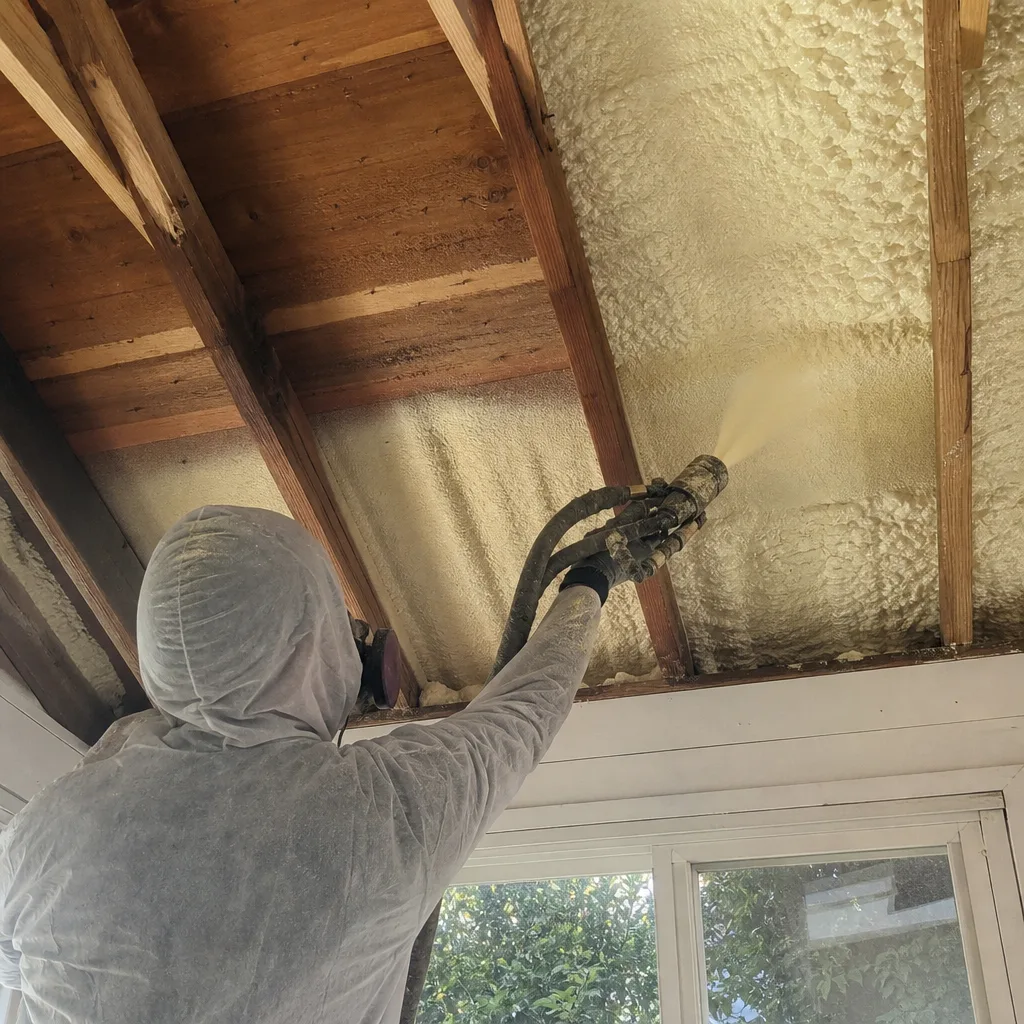
Blown-In Fiberglass
Owens Corning ProPink and Johns Manville Climate Pro are our standard fiberglass products for Whittier’s postwar ranch homes, where attic access is usually straightforward and existing insulation may need partial removal before new material goes in. Fiberglass doesn’t absorb moisture the way cellulose can, which matters in Whittier’s occasional winter roof leaks from Santa Ana wind damage. We never blow new fiberglass over old without testing what’s underneath - rodent contamination, water staining, or compacted R-19 from 1962 that’s performing like R-5.
Dense-Pack Wall Insulation
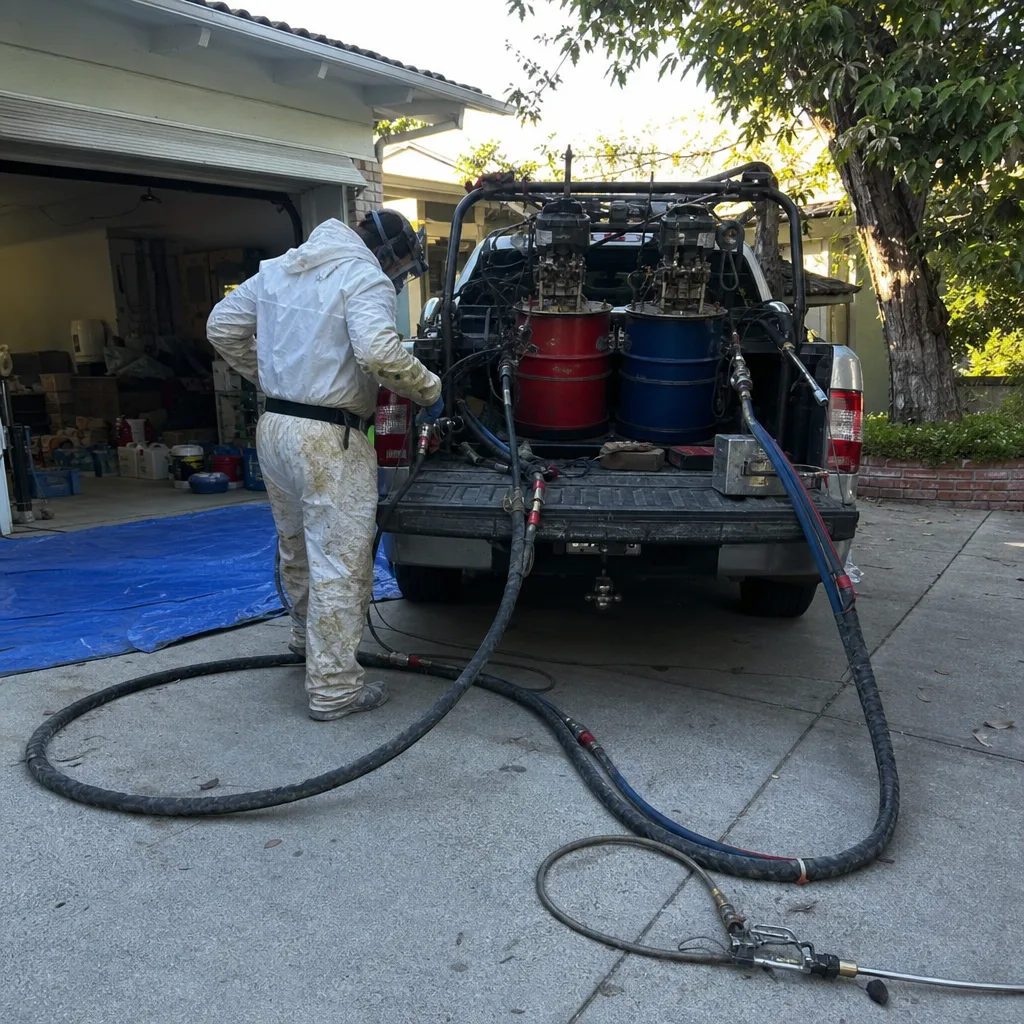
This is the service that matters most in Whittier’s Uptown and Central neighborhoods. Those 1920s-1940s craftsman and Spanish Colonial Revival homes were built with zero wall-cavity insulation - lath and plaster over open stud bays, period. Dense-packing fills those cavities from the exterior (siding removal and replacement) or interior (strategic plaster access holes) with cellulose at 3.5 pounds per cubic foot, creating a continuous thermal barrier that loose-fill can’t achieve in open framing. For a typical 1,200-square-foot Uptown bungalow, dense-pack wall insulation runs $4,200-$6,800 and cuts summer cooling load by 25-35% in our measured before-and-after data.
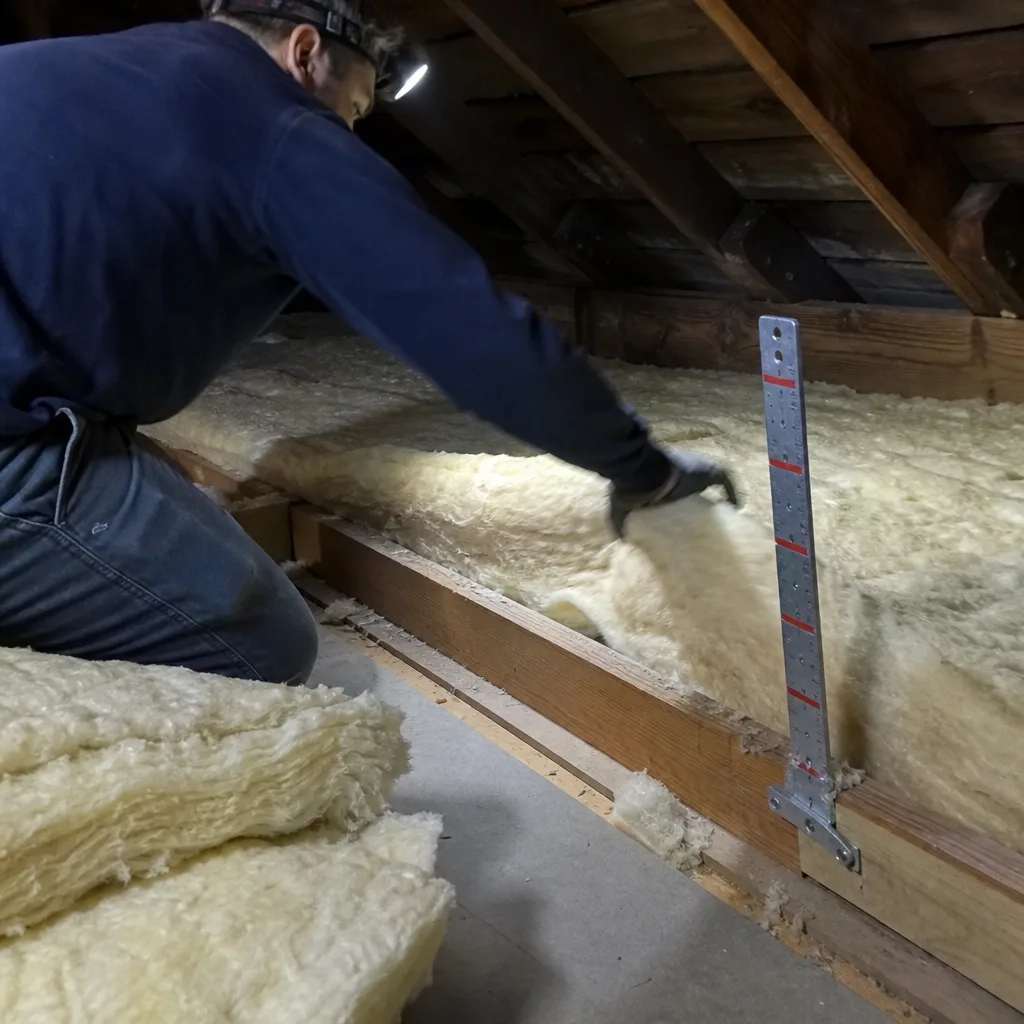
Blown-In Top-Up
Whittier’s 1950s-1960s ranch homes often have existing blown-in insulation that’s settled from R-30 to R-15 or lower, creating thermal bypasses where the attic deck shows through. A top-up without air sealing first is throwing money into a leaky bucket - literally. Our protocol: blower-door test, seal top plates and penetrations, then add new material to reach uniform R-38 or better. Most Whittier top-up jobs run $1,800-$3,400 including the air-sealing work, and we document the before-and-after blower-door numbers so you see what the sealing actually accomplished.
What happens when you call
- 1
A real person answersNo phone trees - you reach a local pro.
- 2
You get an upfront price rangeHonest numbers before anyone is dispatched.
- 3
A background-checked tech heads outLicensed & insured, dispatched right away.
- 4
You approve before work beginsNothing starts until you say go.
Trusted Brands We Service in Whittier
We source Owens Corning, Johns Manville, and Knauf products through Los Angeles-area distributors with next-day availability for Whittier jobs - no proprietary lock-in that leaves you waiting on a single supplier. Our crews carry GreenFiber cellulose on every truck because it’s the right product for Whittier’s dense-pack wall work, and we spec Rockwool where fire resistance or sound attenuation matters, particularly in multi-family conversions near Whittier College. You get the material that fits your home’s specific condition, not whatever we need to move this month.
Common Blown-In Insulation Problems We See in Whittier Homes
- Empty balloon-frame wall cavities in pre-WWII homes. Central and Uptown Whittier’s 1920s-1940s bungalows were built with no wall insulation whatsoever - just lath, plaster, and exterior siding. Summer heat radiates through those walls like they’re not there, because effectively, they aren’t. Dense-packing is the only fix that respects the original plaster.
- Settled postwar attic insulation creating thermal bypasses. The 1950s-1960s stucco ranches in Whittier’s outer rings often have original blown-in fiberglass or cellulose that’s compacted to half its original depth, leaving bare spots above bedrooms where ceiling temperatures spike 10°F above the conditioned space.
- Insulated attics with uninsulated hillside crawlspace floors. Friendly Hills homes frequently present this exact mismatch: R-30 in the attic, R-0 in the floor deck over an open hillside crawlspace. Cold winter air flows under the floor while the attic stays warm. Contractors who don’t know Whittier’s terrain miss it on walk-through.
- Santa Ana wind-driven moisture degradation. Whittier’s fall Santa Ana events push extremely dry, hot air through any gap in the envelope, accelerating the breakdown of older cellulose and creating dust migration into living spaces. We find this most often in homes where DIY blow-in jobs skipped the air-sealing step.
Pricing for Blown-In Insulation in Whittier, CA
| Service | Typical Range (Whittier) | What Drives Cost |
|---|---|---|
| Attic blown-in cellulose or fiberglass (R-38 to R-60) | $2,400 - $5,800 | Attic square footage, access difficulty, removal of existing material |
| Dense-pack wall insulation (pre-war bungalow) | $4,200 - $8,500 | Wall cavity depth, interior vs. exterior access method, plaster repair |
| Blown-in top-up with air sealing | $1,800 - $3,400 | Existing insulation condition, extent of air leakage, square footage |
| Attic insulation removal and replacement | $3,200 - $6,400 | Contamination level (rodent/water), disposal fees, deck repair needs |
These are installed prices for Whittier’s market, including materials and labor. Every job gets a written price before any work starts - Haven Standard Clause 1 - and we provide free second opinions on any competing written estimate. Call (213) 816-5351 for your specific quote; estimates are free and include a blower-door test on applicable jobs.
We Also Serve Cities Near Whittier
Our crews work throughout the San Gabriel Valley corridor, including Blown-In Insulation in Whittier and surrounding cities: Rosemead, El Monte, La Puente, and Monterey Park. Each city gets the same protocol - written price first, documented photo record at completion, before-and-after blower-door numbers where applicable.
Serving Whittier, CA - Our Local Coverage Area
We’re based in the Whittier area and know this community well. Use the map below to see our service coverage - if you’re nearby, we can almost certainly help.
FAQs - Blown-In Insulation in Whittier
Your bungalow was built with zero wall-cavity insulation, and Whittier’s inland position in the San Gabriel Valley heat corridor adds 15°F or more to summer peak temperatures compared to coastal Long Beach. That combination - uninsulated balloon-frame walls plus genuinely hot microclimate - creates a cooling load that identical construction simply doesn’t face near the ocean. Dense-packing your exterior walls with cellulose and upgrading attic insulation to R-38 or higher typically reduces summer electric bills by 25-35% in Whittier’s pre-war stock. Call (213) 816-5351 for a blower-door test and written price.
Yes, in most cases we access wall cavities from the exterior by removing and replacing siding sections, or from the interior through strategic plaster access holes that we patch and refinish. We completed exactly this work on a 1926 Spanish Colonial Revival near Uptown Whittier - empty balloon-frame cavities, lath and plaster intact, dense-packed with GreenFiber cellulose and attic blown with Owens Corning fiberglass. The homeowner’s summer bills had doubled over three years; the fix was structural, not cosmetic. We’ll show you the access plan and patch detail in your written scope before work starts.
It depends on what we find when we test it. Settled or compacted blown-in from the 1960s often performs at half its original R-value, and thermal bypasses around can lights, top plates, and duct penetrations can negate whatever insulation remains. Our protocol: blower-door test first, air seal all penetrations, then add new material to reach uniform R-38. A simple top-up without sealing is usually wasted money. Most Whittier ranch top-up jobs with air sealing run $1,800-$3,400; full removal and replacement runs $3,200-$6,400 if contamination or water damage is present. We’ll photograph what we find and give you a written price for either path.
Friendly Hills homes built in the 1950s-1970s frequently have well-insulated attics but completely uninsulated floor decks over open hillside crawlspaces - a gap that contractors unfamiliar with Whittier’s Puente Hills terrain miss on initial walk-through. Cold air flows under the floor while the attic stays warm, creating a thermal mismatch that shows up as cold floors in winter and uneven room temperatures. We inspect the crawlspace on every Friendly Hills estimate, and we dense-pack or insulate those floor decks when the attic alone won’t solve the problem. Call (213) 816-5351 to schedule a walk-through that includes the full envelope, not just the easy access points.
Whittier’s fall Santa Ana events drive extremely dry, hot air through any gap in the attic envelope, accelerating moisture-driven degradation in cellulose and creating dust migration paths through loose-fill fiberglass. The wind itself doesn’t damage properly installed insulation, but it exposes and worsens the effects of skipped air sealing. We find the most Santa Ana-related problems in attics where DIY or cut-rate blow-in jobs left can lights, top plates, and duct boots unsealed. Our fix: seal first, insulate second, then verify with a blower-door test that shows the actual CFM50 reduction in writing. Under our 365-Day Done Right Promise, if the sealing fails, we make it right.
Written by Wes Okafor, Owner at Topside Attic Insulation Pasadena, serving Whittier since 2016 under The Haven Standard.